Relocating to Florida often involves choosing between inland convenience and coastal recreation, but Melbourne offers a distinct blend of both. Situated just southeast of Orlando on the Space Coast, this Brevard County anchor city has evolved significantly over the past decade.
Buyers evaluating living in Melbourne FL today will find a landscape shaped by aerospace growth and waterfront geography. Understanding the nuances of the local real estate market, commute patterns, and daily amenities is essential before making a move.
Living on Florida's Space Coast: An Overview of Melbourne
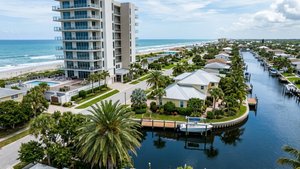
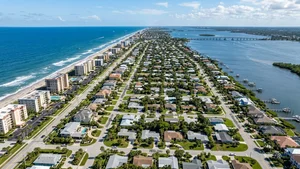
Melbourne occupies a unique geographic footprint that spans both the Florida mainland and the barrier islands. The city is bisected by the Indian River Lagoon, requiring residents to navigate via causeways to reach the Atlantic Ocean.
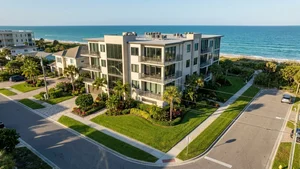
This layout creates two distinct lifestyle zones for residents to consider when house hunting. Mainland neighborhoods offer closer proximity to major employers and historic districts, while the beachside communities prioritize ocean access and resort-style living.
The integration of high-tech industry with historic areas like Downtown Melbourne creates a dynamic local culture. With Brevard County's population continuing to expand through early 2026, the city balances its rapid modern growth with established coastal traditions.
Melbourne FL Housing Market Trends in 2026
The real estate climate in Melbourne currently reflects a stabilizing balance between buyer demand and available inventory. While previous years saw intense bidding wars, the 2026 market offers buyers slightly more room for negotiation and inspection contingencies.
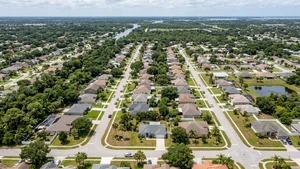
Property types vary widely depending on the specific zip code you target. Buyers can choose from historic single-family houses near the downtown corridor, modern townhomes, or premium waterfront estates along the Indian River Lagoon.
Compared to neighboring communities like Palm Bay and Viera, Melbourne maintains a middle ground in terms of pricing and property age. Viera tends to offer newer, master-planned construction, while Melbourne provides more established neighborhoods with mature landscaping.
Median Home Prices and Ownership Costs
Entering the spring of 2026, the median home price in Melbourne sits approximately between $385,000 and $400,000. This represents a moderate year-over-year adjustment, bringing prices into a more sustainable trajectory for long-term buyers.
Beyond the purchase price, buyers must factor in the rising costs of Florida property insurance, which significantly impacts monthly carrying costs. Many newer planned communities also require monthly HOA fees, which cover shared amenities but add to the overall cost of homeownership.
The Rental Market Breakdown
For those choosing to lease before buying, the local rental market remains active but competitive. The average overall rent in 2026 hovers around $1,900 to $2,000 per month, which aligns closely with broader state averages.
Certain neighborhoods command a premium due to location and nearby amenities. Renters should expect variations based on unit size and proximity to the water or historic districts.
One-bedroom apartments generally average near $1,500 per month.
Two-bedroom units typically range from $1,800 to $2,200 depending on the building amenities.
High-demand rental areas include the Eau Gallie Arts District and the newer developments in Viera West.
Local Economy and the Job Market
Melbourne's economy is heavily anchored by the aerospace, defense, and engineering sectors. The proximity to the Kennedy Space Center and Cape Canaveral drives continuous investment in high-tech manufacturing and research facilities.
Major corporate employers dominate the local landscape and provide a stable foundation for the job market. Companies like Northrop Grumman, L3Harris Technologies, and Embraer operate large campuses that draw specialized talent from across the United States.
Beyond aerospace, the healthcare sector plays a crucial role in local employment stability. Facilities like Holmes Regional Medical Center employ thousands of residents, ensuring a diversified economic base that does not rely solely on government defense contracts.
Transportation and Commuting
Navigating Melbourne relies heavily on personal vehicles, as public transportation options remain limited. The primary transit routes include I-95 for regional north-south travel and US-1 for local commutes along the coastline.
The average one-way commute time in Melbourne sits at a manageable 22 to 24 minutes. This is relatively low compared to larger FL metros, though traffic congestion does peak around the causeways during typical rush hours.
For commercial and private travel, the Melbourne Orlando International Airport provides significant convenience. Having a local airport reduces the need to drive into Orlando for every flight, which is a major advantage for frequent business travelers.
Top Local Amenities and Recreation
The lifestyle in Melbourne is heavily defined by its access to outdoor recreation and coastal environments. Residents utilize the Indian River Lagoon extensively for boating, kayaking, and fishing throughout the year.
Cultural and educational attractions provide indoor and structured entertainment options. The Eau Gallie Arts District serves as a hub for local artists, while the Brevard Zoo remains a major regional draw.
Beach access is a primary reason many choose to relocate to this specific stretch of the Space Coast. The barrier island offers numerous public access points with distinct atmospheres.
Canova Beach provides a dog-friendly oceanfront experience with dedicated facilities.
Indialantic features a bustling boardwalk and immediate access to local dining.
Spessard Holland South Beach offers quieter, more expansive stretches of sand for relaxed weekends.
Education and Public Schools
The academic landscape in the city is managed by Brevard Public Schools, which serves the entirety of the county. The district operates numerous elementary, middle, and high schools that cater to the local population.
Specific local high schools, such as Melbourne High School and nearby Viera High School, anchor the secondary education options. Buyers often focus their home searches around the zoning boundaries for these specific institutions.
Higher education plays a massive role in shaping the city's STEM-focused culture. The Florida Institute of Technology and Eastern Florida State College provide local degree programs and partner heavily with the nearby aerospace employers.
Frequently Asked Questions About Living in Melbourne FL
What is the cost of living in Melbourne FL in 2026?
The overall cost of living in Melbourne is roughly 2% lower than the US national average. While housing and insurance costs have risen, lower utility and transportation expenses help balance the scale. Residents typically find their dollars stretch further here than in major hubs like Miami or New York.
Is Melbourne FL a safe place to live?
Melbourne maintains crime rates that are generally comparable to similarly sized coastal cities in Florida. Property crime tends to be the most common issue, particularly in dense commercial corridors. Reviewing local municipal crime maps can help you evaluate specific neighborhoods before purchasing a home.
How close is Melbourne to Orlando?
Melbourne is located approximately 70 miles southeast of Orlando. The drive typically takes about 75 to 90 minutes via I-95 and FL-528, depending on traffic conditions. This proximity allows easy access to major theme parks and Orlando International Airport.
What are the pros and cons of living in Melbourne?
The primary pros include excellent beach access, a robust high-tech job market, and a lack of state income tax. The main cons involve the high cost of property insurance, limited public transit, and the persistent threat of seasonal hurricanes. Buyers must weigh these factors against their personal lifestyle priorities.