Understanding the Melbourne, FL housing market requires looking beyond the basic state averages. Situated right in the heart of the Space Coast, this area offers a unique combination of coastal access and major economic anchors. Buyers and sellers alike need precise, localized data to make informed property decisions this year.
The local landscape has shifted significantly over the past few years, moving away from frantic bidding wars into a more balanced environment. Today's buyers have more room to negotiate, while sellers must price their properties accurately from day one. Navigating this terrain successfully means understanding the specific carrying costs, property types, and economic drivers shaping Brevard County real estate right now.
Melbourne, FL Housing Market Trends for 2026
The current median home price in Melbourne ranges between $350,000 and $385,000. This represents a stabilization compared to the rapid price escalations seen in previous years, giving buyers a more predictable financial landscape. For sellers, this pricing plateau means that setting an initial listing price based on recent neighborhood comparables is absolutely critical to securing a timely offer.
Active listings are currently hovering between 900 and 1,200 properties across the city. Homes are averaging roughly 70 days on the market before going under contract. This expanded inventory and longer days on market clearly shift negotiating power back toward the buyer, making it easier to include standard inspection and financing contingencies.
My main takeaway for this year is that patience pays off for buyers, while preparation is mandatory for sellers. You can no longer rely on market momentum alone to sell a home with deferred maintenance. Properly staged properties still move quickly, but buyers are highly sensitive to overall condition.
Available Property Types in Melbourne
Melbourne offers a diverse housing stock that caters to various lifestyle preferences and budgets. Buyers will find everything from established single-family homes in mature neighborhoods to brand new construction developments further inland. Understanding the nuances of each property type helps narrow down the search process efficiently.
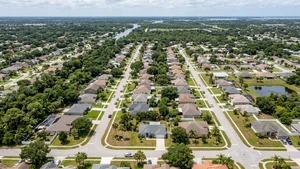
Single-family homes: These properties make up the bulk of the market, ranging from mid-century block homes to modern builds with updated energy features. Buyers can find both established neighborhoods with mature landscaping and newer construction developments further inland.
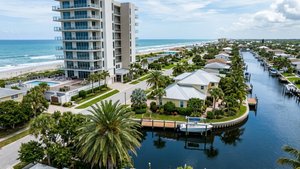
Waterfront properties: Located primarily along the Indian River Lagoon, these premium estates command higher price points and offer direct aquatic access. Purchasing one of these homes requires specialized insurance considerations and a thorough inspection of seawalls and docks.
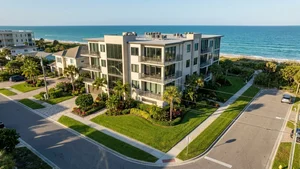
Condominiums: Offering a lower barrier to entry, condos are prevalent near the water and within downtown districts. Buyers interested in these units must carefully review maintenance histories and monthly assessments to ensure the building is financially healthy.
Cost of Living: Property Taxes, Insurance, and HOA Fees
Calculating the true cost of ownership in Brevard County requires a close look at taxes and insurance. The effective property tax rate here sits at approximately 0.85 percent of the assessed value. For a home valued at $400,000, buyers should anticipate an annual tax bill of around $3,400.
Homeowners insurance remains a major variable in the local cost of living equation. Annual premiums currently average between $2,700 and $5,300, depending heavily on the exact location and the age of the roof. Securing wind mitigation credits through updated roofing and impact-resistant windows is the most effective way to keep these insurance costs at the lower end of that spectrum.
Homeowners Association fees are another crucial factor for buyers exploring planned developments. Typical HOA dues in this region cover community landscaping, exterior maintenance for townhomes, and neighborhood amenities. The clear takeaway here is to request the full HOA budget during your inspection period to avoid unexpected special assessments down the road.
Local Economy and Proximity to Major Employers
Housing demand in Melbourne is heavily insulated by a robust local economy driven by the aerospace and technology sectors. The Space Coast tech corridor provides high-paying employment opportunities that consistently attract new residents to the area. This steady influx of workers creates a reliable baseline of demand for both rental and residential properties.
Transportation infrastructure also plays a vital role in the area's real estate appeal. The Melbourne Orlando International Airport is conveniently located within the city limits, offering easy access for frequent business travelers. Having a commercial airport just minutes from major residential zones adds a layer of convenience that bolsters property values.
Healthcare infrastructure acts as another major economic pillar for the community. Facilities like Holmes Regional Medical Center employ a significant portion of the local workforce. Proximity to these major employers often dictates commute patterns and heavily influences where incoming professionals choose to purchase their homes.
Community Features and Local Amenities
Evaluating a property means looking beyond the lot lines and understanding the surrounding community infrastructure. Residents in Melbourne have direct access to the Brevard Public Schools system, which operates numerous facilities across the county. Reviewing specific school zones is an important step for any buyer mapping out their long-term property goals.
Outdoor recreation is a central component of the local lifestyle, anchored by large public spaces like Wickham Park. This expansive park offers miles of trails, camping facilities, and event pavilions that serve the entire region. The availability of well-maintained public parks adds tangible value to the surrounding residential neighborhoods.
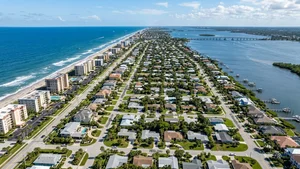
Commute times to natural amenities are a major selling point for local real estate. Most central Melbourne neighborhoods are positioned within a 15 to 20-minute drive of the Atlantic beaches. This geographical advantage allows residents to enjoy coastal access without paying the premium prices associated with direct oceanfront living.
Frequently Asked Questions
What is the average home price in Melbourne, FL in 2026?
The median home price in Melbourne currently ranges between $350,000 and $385,000. This pricing reflects a stable market environment following several years of rapid appreciation. Exact pricing will vary significantly depending on proximity to the Indian River Lagoon and major employment centers.
Are house prices in Melbourne falling?
Prices are not experiencing a steep decline, but they have leveled off considerably this year. With active listings hovering between 900 and 1,200 properties, the increased inventory has eliminated the widespread bidding wars of the past. Sellers are now making price adjustments more frequently if their homes sit beyond the 70-day average.
Is now a good time to buy or sell in Melbourne, FL?
For buyers, 2026 offers expanded choices and the leverage to negotiate favorable terms. Sellers can still secure strong returns, but they must prioritize property condition and accurate initial pricing. Ultimately, the right time to transact depends entirely on your personal financial readiness and long-term housing goals.