Picture this for a moment: a strong storm rolls through overnight. By morning, water has seeped into the first floor of your home. Floors are warped, drywall is soaked, furniture is ruined—and the repair estimate climbs quickly.
According to the Federal Emergency Management Agency (FEMA), just one inch of water inside a home can cause up to $25,000 in damage. And here’s the part that surprises many homeowners: standard homeowners insurance typically does not cover flood damage.
If you’re a homeowner—or planning to become one—understanding how flood insurance works can help you avoid an expensive and stressful surprise later.
Why Flood Insurance Matters More Than Many Homeowners Realize
Many homeowners assume flooding is only a concern for coastal communities or homes directly next to water. But flooding can happen almost anywhere.
Heavy rainfall, clogged drainage systems, melting snow, overflowing rivers, storm surges, or even a broken water main can all lead to flooding.
Nationwide, only about 4% of U.S. households have flood insurance, according to the Insurance Information Institute. That means the vast majority of homeowners could face significant out-of-pocket costs if flooding occurs.
Recent events highlight this risk. After Hurricane Helene caused damage to hundreds of homes in Buncombe County, North Carolina in 2024, fewer than 1% of homes and businesses affected had flood insurance.
When you begin to see the numbers, it becomes easier to understand why experts often call flood insurance one of the largest insurance gaps in the United States.
Is Flood Insurance Required?
Flood insurance requirements depend on two main factors: your location and your mortgage.
You are typically required to carry flood insurance if:
Your home is located in a high-risk flood zone according to FEMA maps
You have a government-backed mortgage (such as FHA or VA loans)
If your home is outside a high-risk zone or you own your home outright, flood insurance is usually optional.
However, optional doesn’t necessarily mean unnecessary.
Many flood events occur outside of FEMA’s designated high-risk areas, which means homeowners who believed they were safe sometimes discover they were still vulnerable.
Understanding Flood Risk: It’s Not Just Coastal Areas
FEMA flood maps are widely used during real estate transactions, but they don’t always capture the full picture of flood risk.
For example, these maps often don’t account for inland flooding caused by heavy rainfall, and they currently don’t cover about two-thirds of the United States.
In fact, around 40% of flood insurance claims come from properties outside FEMA’s highest-risk zones.
That means flooding risk isn’t limited to:
Coastal communities
Homes near rivers
Traditional flood plains
Even properties miles from major water sources can experience flooding under the right conditions.
Tools to Help You Evaluate Flood Risk
If you’re buying a home—or even reassessing the risk of your current property—there are several tools that can help you understand your flood exposure more clearly.
Flood Factor
Provides a score from 1 to 10 estimating the likelihood a property will flood over the next 30 years. It factors in rainfall patterns, sea-level rise, and local geography.
FloodSmart.gov
Operated by FEMA’s National Flood Insurance Program (NFIP), this site helps homeowners estimate insurance costs and connect with licensed flood insurance agents.
Realtor.com Flood Risk Tool
Combines FEMA flood maps with Flood Factor data so you can search specific property addresses and see flood risk information in one place.
CoreLogic Flood Risk Reports
These reports analyze historical flooding, elevation data, flood frequency, and predicted future flood patterns to give a more comprehensive view of risk.
Having this information early in the home-buying process can help you feel far more confident in your decision.
Frequently Asked Questions About Flood Insurance
Does homeowners insurance cover flooding?
In most cases, no. Standard homeowners insurance policies generally exclude damage caused by:
Storm surges
Flash floods
Rising rivers
Heavy rainfall that causes flooding
A separate flood insurance policy is typically required.
Where can you buy flood insurance?
Flood insurance is commonly available through:
The National Flood Insurance Program (NFIP)
A federal program administered by FEMA and available in many communities.
Private flood insurance companies
Private insurers may offer higher coverage limits or additional options not available through NFIP.
How much does flood insurance cost?
Flood insurance premiums vary depending on factors such as:
Distance to water
Elevation of the property
Age and construction of the home
Coverage limits and deductible
Cost to rebuild the home
In higher-risk coastal areas, policies can exceed $1,000 per year. In many other areas, homeowners may pay roughly $50–$75 per month for coverage.
When you compare that to the potential cost of flood damage, many homeowners find the peace of mind well worth it.
What does flood insurance cover?
Coverage depends on the policy, but NFIP policies generally include:
Building coverage (up to $250,000) for things like:
Foundation
Electrical and plumbing systems
HVAC equipment
Built-in appliances
Contents coverage for personal belongings inside the home.
However, there are limitations. For example, NFIP policies typically provide limited coverage for basements and do not cover items such as patios, fences, pools, or additional living expenses.
Some private policies may offer expanded coverage options.
The Bottom Line for Homeowners
Flooding is one of the most common and costly natural disasters in the United States, and it can happen in places many homeowners would never expect.
Taking time to evaluate your property’s flood risk—and understanding your insurance options—can help you protect both your home and your finances.
And if you’re considering buying a home, flood risk is simply one more piece of information that helps you make a confident decision.
Imagine moving into your next home knowing you’ve looked at every angle—from inspections to insurance—and you feel fully prepared for whatever the future brings.
Thinking About Buying or Selling in Brevard County?
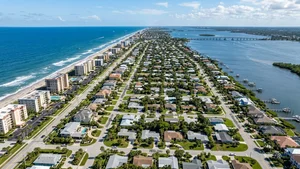
Flood zones and insurance requirements can play a role in many Brevard County real estate transactions, especially in coastal communities.
If you’re curious about flood zones, insurance requirements, or how flood risk might affect a home you’re considering, I’m always happy to help you walk through it.
Feel free to reach out anytime. Even if you’re just starting to explore your options, having the right information can make the entire process feel much clearer.
Source: lookforther.realtor