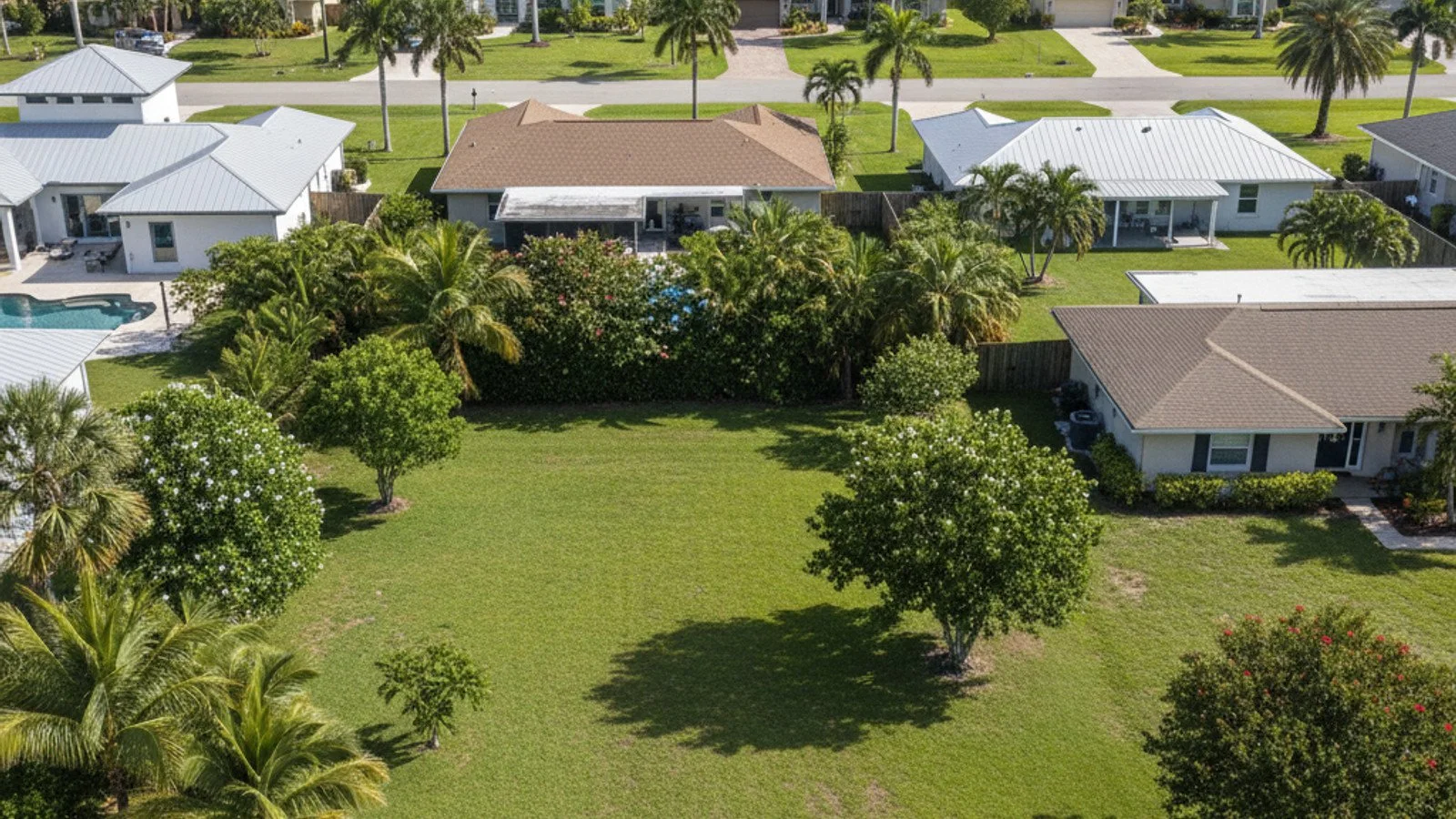
The median home price in Brevard County sits around $350,000 for a single-family house. When selling a property at that price point, the cost of hiring representation becomes one of the largest line items on the settlement sheet.
The local housing market has seen steady shifts in inventory throughout 2026. As more homes hit the market, sellers are paying closer attention to every dollar spent during the transaction process. Understanding the breakdown of agent fees is a core part of that financial planning.
The landscape of agent fees shifted after the 2024 National Association of Realtors settlement. Homeowners preparing to list this year need a clear understanding of how these percentages break down. Knowing where the money goes helps sellers evaluate different brokerage models and budget for their net proceeds.
Whether you are listing a golf course property in Suntree or a home near downtown, the financial mechanics of the sale remain the same. Evaluating these costs upfront prevents surprises at the closing table. A clear grasp of commission structures empowers sellers to make informed decisions about their representation.
The Structure of Real Estate Commissions in Melbourne, FL
A standard real estate transaction in Florida typically involves a total commission rate between 5.5% and 6% of the final sale price. This total fee is established in the listing agreement signed by the seller and their chosen brokerage. The percentage applies to the gross sale price of the home, not the seller's equity.
The total percentage rarely stays with a single agent. It generally splits into two portions, with 2.5% to 3% going to the listing agent and the remaining 2.5% to 3% allocated to the buyer's agent at closing. Both halves of this equation are negotiable by law.
The listing agreement serves as the binding contract that outlines these financial terms. It specifies exactly how much the listing brokerage will charge and how long the agreement lasts. Sellers must review this document carefully to understand their financial obligations before their home ever hits the market.
Florida operates under a default transaction broker model rather than single agency. This means an agent facilitates the transaction for the seller without acting as a fiduciary. If a single agent brings the buyer to their own listing, they may retain the entire commission, though the exact rules for this scenario are defined in the listing agreement.
Calculating Agent Fees for Local Property Sales
Applying these percentages to current local property values provides a clearer picture of the out-of-pocket costs. A median-priced single-family home in the area sells for approximately $350,000 this year. At a 6% total commission rate, the total fee would equal $21,000.
That $21,000 total would then divide between the two brokerages involved in the sale. The listing office would receive $10,500, and the buyer's representative would receive the other $10,500. Each brokerage then pays their individual agent a specific split from those funds based on their internal corporate agreements.
Coastal condos present a slightly different math equation due to their lower average price point. An oceanfront or riverfront unit priced around $250,000 carries a $15,000 total fee at that same 6% rate. Condominium sales often involve additional complexities like HOA approval processes and special assessments, but the standard commission percentage typically remains the same.
The final commission is calculated based on the actual closing price, not the initial list price. If a home goes under contract for $350,000 but the real estate appraisal comes in low, the parties might renegotiate the price down to $340,000. In that scenario, the 6% fee adjusts down to $20,400 to reflect the final sale amount.
Evaluating Full-Service vs. Discount Brokerages
Homeowners in Brevard County have multiple options when selecting representation. Traditional full-service brokerages charge the standard percentage in exchange for managing every aspect of the sale. This includes professional photography, open houses, contract negotiations, and coordinating with the title company.
Discount brokerages offer a different model to help sellers save on commission. These companies might charge a 1% listing fee or a flat rate of a few thousand dollars, rather than the standard 3% listing side. The trade-off often involves less hands-on marketing and reduced direct support during complex negotiations.
Flat fee MLS listing services present the most bare-bones approach. The seller pays a small upfront fee to get their property syndicated to the local MLS and major real estate portals. From that point forward, the homeowner operates as a For Sale By Owner (FSBO), handling all showings and legal paperwork themselves.
Who Pays the Brokerage Fees at Closing?
Sellers traditionally cover the entire commission cost out of their sale proceeds. When the transaction finalizes, the escrow company deducts the agreed-upon percentage from the seller's funds before distributing the remaining equity. The buyer does not pay these fees directly out of pocket.
The way these funds are advertised changed following the 2024 National Association of Realtors settlement. Listing agents can no longer publish offers of buyer agent compensation on the local MLS listing. Instead, these splits are negotiated directly through the purchase contract or separate broker agreements.
Buyers now sign representation agreements defining exactly what their agent will earn. If the seller chooses not to offer a split, the buyer becomes responsible for making up the difference. Sellers should consider how offering a competitive split might impact buyer interest in their property.
Before the recent rule changes, a seller's offer to pay the buyer's agent was a standardized part of MLS syndication. Today, that compensation is negotiated on a case-by-case basis. A seller might offer a concession to cover the buyer's agent fees, or the buyer might finance that cost through other negotiated terms in the purchase contract.
Market Factors Influencing Local Commission Rates
Brevard County homes currently average around 60 days on the market before securing a contract. This timeline directly impacts how much marketing capital and time a full-service broker invests in a listing. Properties that require extensive staging, professional photography, and long-term marketing campaigns often justify a standard percentage.
The sheer number of licensed real estate agents operating in Florida creates a competitive environment. When inventory rises, brokerages often compete harder for quality listings. Sellers with well-maintained homes in desirable neighborhoods may find agents more willing to negotiate their listing percentage to secure the business.
Property type also plays a role in the fee structure. Vacant land, commercial property, or unique luxury estates often carry different rate expectations due to the specialized marketing required. Sellers should evaluate their specific property type and personal availability before committing to a fee structure.
Frequently Asked Questions
Can I negotiate my realtor commission in Melbourne, FL?
Yes, all commission fees are entirely negotiable and are not fixed by any state law or real estate board. You can discuss the listing percentage and the buyer's agent split with your broker before signing a contract. Finding the right balance ensures your agent has the resources to market the home effectively.
What happens to the commission if my house doesn't sell?
A traditional listing agreement states that the broker only earns their fee if the property successfully closes. If the listing agreement expires or you decide to take the home off the market, you owe nothing to the agent. Flat fee MLS services are the exception, as their upfront charges are non-refundable regardless of the outcome.
Are real estate commissions included in closing costs?
Agent fees appear as a distinct deduction on the seller's closing disclosure, separate from standard closing costs like transfer taxes or title insurance. They are subtracted directly from the gross sale price by the title company. Buyers typically do not see these fees on their side of the settlement statement unless they have agreed to pay their agent directly.