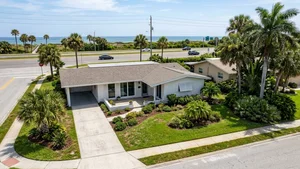
Melbourne's median home sale price sits around $315,000, with existing houses spending roughly 55 days on the market before selling. For buyers who cannot find a floor plan that fits their needs among the current 412 active listings, new construction offers a clear alternative. Working with the best real estate agent in Melbourne can help you compare these options. Building a custom residence allows you to control the layout, materials, and exact location within Brevard County.
Taking on a custom build requires planning for land acquisition, zoning laws, and coastal engineering codes. Whether you want a semi-custom home in a growing community like Viera or a fully custom estate on a private riverfront lot, the process differs significantly from buying an existing property. Understanding the local costs and timelines will help you budget accurately for a Space Coast construction project.
The Timeline for Constructing a House in Melbourne
Most custom builds in this area take between 10 and 18 months from the initial design phase to the final inspection. The exact timeframe depends on whether you are buying into an existing subdivision or developing a raw homesite.
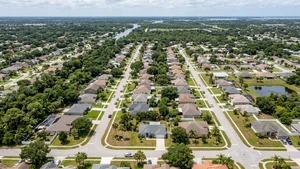
Building on your own lot requires extra time for site preparation, clearing, and utility connections. If you choose a semi-custom build within a planned development, the developer has already completed the heavy infrastructure work. This streamlined approach usually shaves several months off the total timeline.
Fully custom builds demand a longer design and permitting phase before ground is ever broken. You will spend the first few months finalizing architectural drawings and waiting for county approvals. Once construction starts, material availability and local inspection schedules dictate the pace until you receive the certificate of occupancy.
Buying a Residential Lot on the Space Coast
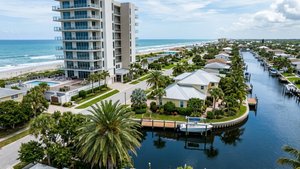
A standard quarter-acre inland lot in the Melbourne area typically costs between $50,000 and $75,000. Land prices increase sharply as you move closer to the water, with premium lakefront or Indian River Lagoon properties often exceeding $200,000 in 2026.
When evaluating a homesite, buyers should verify the utility situation before making an offer. City water and sewer connections are standard in densely populated areas, but rural or unincorporated lots often require private wells and septic systems. Installing a septic system adds thousands of dollars to your initial site preparation budget.
The lot's location also determines which Brevard County Public Schools your address will be zoned for. Buyers should check the current district maps, as attendance boundaries occasionally shift as new neighborhoods expand. Verifying these details during the due diligence period prevents unexpected site costs and zoning surprises later.
Average Construction Costs in Brevard County
Basic construction costs for a new house in Brevard County range from $150 to $250 per square foot. Extensively customized coastal builds with premium materials often reach $300 or more per square foot.
The final price tag depends on the complexity of your floor plan and the quality of your finishes. A simple, single-story block home with standard fixtures falls on the lower end of the spectrum. Upgrading to luxury materials, intricate rooflines, or smart-home technology pushes the budget toward the upper limit.
Buyers should break their construction budget into three main categories:
Site preparation: This covers land clearing, grading, soil testing, and utility hookups before the foundation is poured.
Materials and labor: The bulk of the cost goes toward concrete, lumber, roofing, plumbing, electrical work, and the tradespeople who install them.
Finishes and fixtures: Cabinetry, countertops, flooring, and lighting selections offer the most flexibility for controlling your final expenses.
Getting Building Permits and Meeting Wind Codes
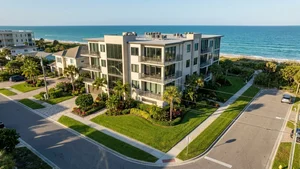
Every new home in the area must pass the Brevard County building permit process and meet strict Florida building codes. Coastal properties must adhere to specific wind-load engineering standards designed to withstand hurricane-force gusts.
Your architect or builder will submit the structural plans to the county for review before construction begins. The engineering rules dictate everything from the type of roof tie-downs used to the impact rating of your windows and doors. Homes located in designated flood zones must also be elevated to meet federal and local base flood elevation requirements.
Building near the water introduces additional regulatory hurdles. Properties located east of the Indian River Lagoon or directly on the barrier island often require clearance from the Florida Department of Environmental Protection. Securing these state-level approvals adds time to the permitting phase, so buyers should factor this into their overall schedule.
Commute Times and Local Geography
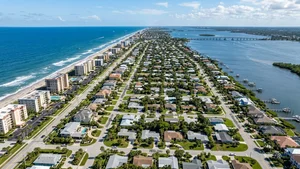
Commutes to major aerospace and defense employers like L3Harris and Northrop Grumman typically take 15 to 25 minutes, depending on your specific neighborhood. The area's linear geography along the coast means most traffic flows north and south along US-1 and Interstate 95.
Melbourne's layout provides relatively quick access to both the mainland and the barrier island.
Water access: The Indian River Lagoon and Melbourne Beach are accessible via several causeways, keeping waterfront recreation close by.
Air travel: Orlando Melbourne International Airport is centrally located within the city, offering convenient flights without the drive to Orlando.
Outdoor spaces: The region maintains numerous public parks, nature preserves, and golf courses integrated into residential areas.
When choosing a lot, buyers should drive the route between the property and their workplace during rush hour. A homesite tucked away in a quiet, rural section of the county might offer more privacy but will add substantial time to a daily commute.
Selecting a Custom Home Builder
Established regional builders like Price Family Homes, Stanley Homes, Joyal Homes, and AR Homes operate extensively throughout the Space Coast market. Hiring a local contractor ensures your team understands the specific soil conditions and weather challenges of Brevard County.
Buyers should verify a builder's state license and review their local portfolio before signing a contract. Touring model homes or walking through completed projects provides a clear picture of the company's craftsmanship and attention to detail. Speaking with past clients also helps reveal how the builder handles communication and warranty issues.
Choosing a design-build firm that manages both the architectural drafting and the physical construction in-house can streamline the entire project. This setup reduces miscommunication between the designer and the framing crew. A unified team often keeps the timeline moving efficiently and helps prevent unexpected cost overruns during the build.
Frequently Asked Questions
Can I legally build my own house in Florida?
Yes, Florida law includes an owner-builder exemption that allows individuals to act as their own general contractor for a personal residence. You must supervise the work yourself, pull the necessary permits, and you cannot sell or lease the property for one year after completion.
Is it cheaper to buy or build a house in Melbourne, FL?
Buying an existing home is generally cheaper upfront, with the local median sale price sitting at around $315,000. Building a custom home involves purchasing land and paying $150 to $250 per square foot for construction, which typically results in a higher total cost but delivers a brand-new, personalized property.
How much does it cost to build a house in Melbourne, FL?
Basic construction ranges from $150 to $250 per square foot, not including the price of the lot. If you build a 2,000-square-foot home with standard finishes on a $60,000 inland lot, your total cost will likely start around $360,000.
How long does it take to build a custom home in Melbourne, FL?
The entire process usually takes between 10 and 18 months. Securing permits and finalizing designs can take three to six months, while the physical construction phase typically requires another seven to twelve months to complete.
What is the process for getting a residential building permit in Brevard County?
You or your builder must submit detailed architectural and engineering plans to the county's building department. The reviewers check the blueprints for compliance with the Florida Building Code, zoning laws, and local wind-load requirements before issuing the permit.
Where are the best areas to buy vacant residential lots in Melbourne?
Inland areas and expanding master-planned communities like Viera offer numerous cleared lots ready for construction. Buyers looking for larger acreage often look further south toward Malabar or west toward the St. Johns River.
What specific hurricane building codes must new homes meet in Brevard County?
New construction must be engineered to withstand high wind speeds, which involves using specific roof-to-wall connections and impact-resistant windows or storm shutters. Coastal and barrier island homes face even stricter wind-load and elevation standards to protect against storm surge.