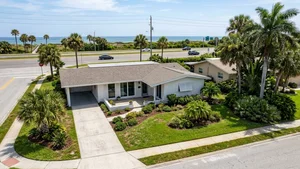
The median sale price for a home in Melbourne, FL sits at roughly $315,000 as of mid-2026. Buyers entering this market alongside the best real estate agent in Melbourne, FL often focus primarily on their mortgage payment, but local property taxes are a major component of the total monthly cost. Florida does not collect a state income tax, meaning local municipalities rely on property assessments to fund public schools, emergency services, and road maintenance.
Brevard County's property valuation process directly impacts your budget before closing on a house. The local tax system includes several exemptions that lower the burden for primary residents, along with strict deadlines for filing paperwork and paying the annual bill. These dates and formulas prevent unexpected expenses during your first year of homeownership.
How Local Tax Rates Impact Your Housing Budget
Homeowners in Melbourne generally see an effective property tax rate between 0.70% and 0.85% if they qualify for primary residence exemptions. The Brevard County Property Appraiser determines the value of every parcel of real estate in the area. They assess homes based on market conditions, property size, and structural improvements.
Once the value is set, the Brevard County Tax Collector handles the actual billing and collection of the funds. These collected funds stay within the region to support local infrastructure. A portion goes to the city of Melbourne, another portion supports Brevard Public Schools, and the rest covers county-wide services.
Because there is no state income tax to supplement these budgets, property taxes represent the primary revenue stream for the area. Buyers should plan for these costs as an ongoing part of their housing expenses, rather than an afterthought.
Calculating Your Annual Tax Bill in Brevard County
The total millage rate for a property in Melbourne usually ranges from 15 to 20 mills, depending on the specific neighborhood and tax district. A millage rate is the amount of tax payable per $1,000 of a property's assessed value. The base county aggregate rate is roughly 4.5 mills, but the final number includes additional levies for the school board, water management districts, and city services.
To find your base tax amount, you multiply the home's assessed value by the total millage rate and divide by 1,000. The assessed value used for this math is rarely the same as your purchase price. The property appraiser establishes a market value based on recent sales data, which currently shows homes spending an average of 55 days on the market before selling.
The final assessed value is often lower than the market value, especially for properties that have been owned by the same person for many years. When a home changes hands, the assessed value resets to reflect the current market conditions, which can alter the tax bill for the new buyer.
Lowering Your Bill With the Florida Homestead Exemption
Permanent Florida residents can deduct up to $50,000 from their home's assessed value for tax purposes. The Florida Homestead Exemption is the primary way local homeowners reduce their annual carrying costs. The first $25,000 applies to all property taxes, including school district taxes, while the second $25,000 applies to the assessed value between $50,000 and $75,000 and does not reduce the school board portion of the bill.
Securing this exemption also activates the Save Our Homes assessment cap. This state law restricts how much the property appraiser can increase your home's assessed value each year. Under this rule, your assessed value cannot rise by more than 3% annually or the change in the Consumer Price Index, whichever is lower.
To claim these benefits, you must meet specific Brevard County deadlines and provide documentation proving the home is your primary residence:
You must own and occupy the home by January 1 of the tax year.
You must file your exemption application with the property appraiser by March 1.
You will need a Florida driver's license, vehicle registration, and voter registration card tied to the Melbourne address.
Estimating Your Annual Tax Costs on a Melbourne Home
A home purchased at the current Melbourne median of $315,000 will carry an annual tax bill of roughly $2,200 to $2,800 if the owner holds a homestead exemption. If that same property is a secondary home or an investment property, the owner does not qualify for the homestead reduction or the Save Our Homes cap. Without those benefits, the annual tax bill on a $315,000 house climbs closer to $3,000 to $3,500.
Buyers should factor this difference into their budget if they are purchasing a winter residence rather than a full-time home. Location within the city also shifts the final number. Homes located near specific infrastructure, such as the Melbourne Orlando International Airport or newly built Brevard Public Schools facilities, sometimes fall into slightly different tax districts.
Checking the exact millage rate for a specific address on the county appraiser's website provides the most accurate estimate. You can also view the current owner's tax history to see how the property has been assessed in recent years.
Important Deadlines and Payment Timelines
Brevard County mails Truth in Millage (TRIM) notices to all property owners in August. The TRIM notice is not a bill. It outlines the proposed assessed value of your home and the estimated taxes for the upcoming year based on proposed millage rates.
If you disagree with the appraiser's valuation, this notice gives you a short window to file a formal appeal before the final tax roll is certified. The Brevard County Tax Collector mails the official tax bills on November 1. Property owners who pay early receive a discount, which encourages prompt payment and helps fund local services without delay.
The discount schedule is structured by month:
4% discount for payments made in November.
3% discount for payments made in December.
2% discount for payments made in January.
1% discount for payments made in February.
All property taxes are due in full by March 31. Any unpaid balances become delinquent on April 1, at which point the county applies late fees and interest to the account.
Frequently Asked Questions About Melbourne Property Taxes
How much is property tax in Melbourne, FL?
With a homestead exemption, the effective property tax rate in Melbourne generally falls between 0.70% and 0.85% of the home's value. For a home priced at the current local median of $315,000, this translates to an annual bill of roughly $2,200 to $2,800.
How are property taxes calculated in Melbourne, FL?
The county multiplies your home's assessed value by the combined local millage rate, then divides by 1,000. A typical total millage rate in the area is around 15 to 20 mills, which includes city, county, and school board levies.
When are property taxes due in Melbourne, FL?
Tax bills are mailed on November 1 and are payable immediately. The final deadline to pay without penalty is March 31 of the following year.
Do seniors over 65 pay property taxes in Florida?
Yes, seniors still pay property taxes, but Brevard County offers an additional Limited-Income Senior Exemption. This program provides an extra reduction in assessed value for residents over 65 who meet specific household income limits set by the state.
How do I appeal my property tax assessment in Melbourne?
You can file a petition with the Brevard County Value Adjustment Board. You must submit this appeal within 25 days of receiving your TRIM notice in August.
Do assessors go inside your home?
County appraisers evaluate the exterior of the property and rely on building permits, aerial photography, and local sales data to determine value. They do not enter your home to conduct an interior inspection for routine tax assessments.
What happens if I miss my property tax payment in Brevard County?
Taxes become delinquent on April 1, triggering a 3% late penalty and advertising fees. If the bill remains unpaid, the county will sell a tax certificate on the property, which places a lien on your house that accrues further interest.