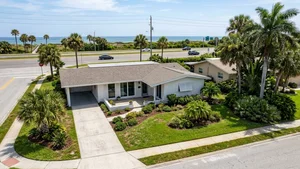
Melbourne's real estate market sits at an interesting intersection - coastal living without the full coastal price tag, at least for now. This creates a solid opportunity for first-time home buyers in Melbourne, FL. The median sale price here is around $315,000 as of mid-2026, and homes are averaging about 55 days on the market, which means you're not walking into a frenzy.
That breathing room is real, but it won't save you if your budget math is off. A generic online calculator won't cut it here - Florida's carrying costs are specific enough that you need local numbers, not national averages, before you start scheduling showings.
What It Costs to Buy a Home in Melbourne Right Now
The median sale price in Melbourne is approximately $315,000, though depending on which source you're looking at and which property types they include, typical values run anywhere from $310,000 to $410,000. There are around 412 homes on the market right now, which works out to about 3.6 months of supply. Sellers are landing about 95.6% of their asking price on average.
What that tells you practically: you don't need to panic-bid, but you're not going to steal anything either. If your ceiling is $250,000, you're shopping condos and smaller townhomes - detached single-family homes at that price point are going to be a short list.
Using the 28/36 Rule to Set Your Budget
Lenders use standardized math to figure out how much they'll loan you, and the benchmark they're working from is the 28/36 rule. It's worth understanding before you ever sit down with an underwriter.
The first number - 28% - is the ceiling on what your total housing costs should eat up each month relative to your gross income. The second number - 36% - is the ceiling on all your monthly debt combined, including the new mortgage.
Finding Your Gross Monthly Income
Gross income is what you earn before taxes, health insurance, and retirement contributions come out. On an $80,000 annual salary, that's $6,666 a month.
At 28%, a buyer at that income level is targeting a maximum monthly housing payment of $1,866. That number has to cover principal, interest, property taxes, and homeowners insurance - all of it.
Calculating Your Debt-to-Income Ratio
The back half of the rule is your debt-to-income ratio, or DTI. Underwriters add up your minimum credit card payments, auto loans, student loans, and your projected housing payment and hold that total against your gross monthly income.
At $6,666 a month, the 36% threshold puts your total allowable debt at roughly $2,399. If you're already carrying a car payment and student loans, that number gets eaten up fast - and your approved mortgage shrinks accordingly.
Local Costs That Change Your Monthly Payment
Here's where a lot of buyers get tripped up. National mortgage calculators use national averages for taxes and insurance. Florida isn't average. Not even close.
These local carrying costs aren't a footnote - they take up a significant piece of your monthly payment and will directly affect the number on your pre-approval letter. You need to manually plug in Brevard County figures, not whatever the default settings are.
Brevard County Property Taxes
Effective property tax rates in Brevard County generally run between 0.7% and 1.15%, with the median annual bill commonly cited around $2,100 to $2,500. Rates shift depending on where exactly the property sits - Barefoot Bay, for instance, runs closer to 1.56%, while Malabar comes in lower at 0.76%.
Homeowners Insurance Premiums in Florida
Florida has some of the highest homeowners insurance costs in the country, and Melbourne buyers feel that. A reasonable estimate for 2026 runs roughly $4,000 to $8,500 per year, depending on your home's value, roof age, and how close you are to the coast.
The market is showing some signs of stabilization - Citizens Property Insurance policies saw an approved average statewide decrease of 8.7% this year. But even at the lower end of that range, insurance is a real line item in your budget.
HOA Dues in Melbourne Neighborhoods
A lot of subdivisions and condo complexes in Melbourne come with mandatory HOA fees. They cover community maintenance, amenities, and sometimes exterior building insurance - and lenders count every dollar of them when calculating your DTI. A $300 monthly HOA fee doesn't just cost you $300 a month; it directly reduces the mortgage principal you can borrow.
Down Payments and Local Assistance Programs
How much cash you bring to closing shapes everything - your loan size, your monthly payment, and how lenders see your application. More down means less borrowed and a better risk profile with the lender.
You don't automatically need 20% to buy in Melbourne, though. There are loan structures and local programs designed for buyers who have solid income but haven't stockpiled a large down payment.
Comparing Conventional and FHA Loans
Conventional loans can go as low as 3% to 5% down for qualified buyers, but putting down less than 20% means you're paying Private Mortgage Insurance on top of your regular payment each month. FHA loans require a minimum of 3.5% down and are more forgiving on credit scores, though they come with an upfront mortgage insurance premium that you'll want to weigh against the ongoing PMI cost of a conventional loan.
Neither option is universally better - it depends on your credit profile and how long you plan to stay in the home.
First-Time Homebuyer Programs in Brevard County
Brevard County has a Purchase Assistance Program that offers up to $75,000 for first-time buyers, structured as a 0% interest, deferred-payment second mortgage - meaning no monthly payments on that loan. To qualify, you'll need to complete a 5-hour education workshop, meet specific income limits, and have no more than $15,000 in liquid assets. Purchase prices are capped at $304,000 for existing homes and $329,000 for new construction.
At the state level, the Florida Hometown Heroes program offers eligible frontline workers up to $35,000 toward their purchase. Palm Bay's HOME program is also worth knowing about - it provides $12,000 to $17,000 in zero-interest loans for buyers looking just next door.
Frequently Asked Questions About Melbourne Home Affordability
What salary do I need to afford an average-priced home in Melbourne, FL?
It depends entirely on your down payment, current debt, and local carrying costs. The median home price is roughly $315,000 and annual insurance premiums can reach $8,500, so there's no single salary answer - you need to run your specific 28/36 debt-to-income ratio with your actual numbers to find out where you land.
How do Brevard County property taxes and Florida homeowners insurance affect my maximum purchase price?
They lower it, by pushing up your monthly carrying costs. Florida insurance premiums can run $4,000 to $8,500 annually, which means a meaningful chunk of your monthly housing budget is going toward insurance rather than paying down the loan.
How much of a down payment do I need to be competitive in the current Melbourne housing market?
You don't need to come in heavy. Homes are sitting on the market an average of 55 days and selling at about 95.6% of list price - buyers using 3.5% FHA or 5% conventional down payments are successfully closing deals here.
What hidden costs, like HOA dues or hurricane deductibles, should I factor into my Melbourne homebuying budget?
Mandatory HOA fees are common in local neighborhoods and count directly against your debt-to-income ratio - they're not optional math. Insurance costs also vary based on your roof's age and proximity to the coast, so two homes at the same price can have meaningfully different monthly carrying costs.
If my budget is too tight for Melbourne, are nearby areas like Palm Bay or West Melbourne more affordable?
Looking at neighboring municipalities can open up different options and assistance programs. Buyers shopping in Palm Bay, for example, may qualify for the city's HOME Program, which provides $12,000 to $17,000 in zero-interest deferred loans.
Does qualifying for Florida first-time homebuyer programs increase how much house I can buy in Melbourne?
Yes - directly. Securing up to $75,000 through the Brevard County Down Payment Assistance Program lets you cover upfront costs and reduce your loan amount. Just know that the program caps purchase prices at $304,000 for existing homes, so it works best for buyers in that range.