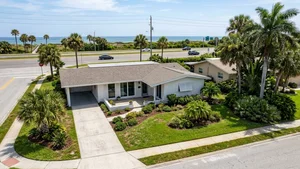
Brevard County gives you two genuinely different housing markets sitting about three miles apart, separated by the Indian River Lagoon. If you're shopping the Space Coast, you've probably already noticed that living in Melbourne and living in Indialantic don't feel like the same conversation at all.
Your budget is likely the first thing that makes the choice for you. Melbourne's median sale price runs around $315,000. Indialantic regularly clears $649,000. That's not a rounding error - it's a different financial commitment entirely, and everything downstream from that number changes too.
Geography and Commute Times Around the Indian River Lagoon
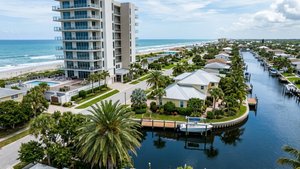
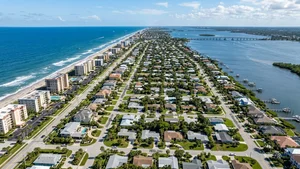
The physical layout here shapes daily life in ways that don't always show up on a listing sheet. Melbourne spreads across the mainland, pushing west toward I-95. Indialantic sits due east on the barrier island, squeezed between the Atlantic and the lagoon. The two municipalities are three miles apart by water and causeway, and on a normal day you can make the drive in about six minutes - though where exactly you're starting from on the mainland matters.
Where the Mainland Meets the Barrier Island
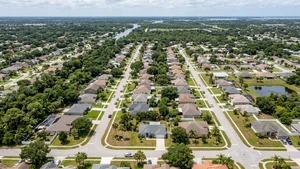
Melbourne has room to breathe. Multiple zip codes, widespread residential neighborhoods, commercial corridors - there's genuine variety in what you can find and where. Buyers who want options tend to find them here.
Indialantic doesn't have that luxury. The Atlantic to the east and the Indian River Lagoon to the west keep the town's footprint small and new development essentially off the table.
Highway Access and Airport Drive Times
Melbourne puts you right on US-1 and Interstate 95, which matters if you're commuting to Space Coast employment centers or making regular runs toward Orlando. The Melbourne Orlando International Airport (MLB) sits in the middle of the city - it's genuinely convenient.
From Indialantic, you're crossing a causeway before any of that becomes accessible. The distance is short, but if you're on the island every morning during peak hours or when weather turns, bridge traffic is a real variable worth thinking through before you commit.
Comparing Home Prices and Inventory Levels
The price gap between these two markets is not subtle. Melbourne's median sale price sits at $315,000 as of mid-2026. Over in Indialantic, you're looking at median home prices ranging from $649,500 to $665,000. Price per square foot tells the same story - roughly $335 in Indialantic versus $208 in Melbourne.
What Buyers Pay in Each Market
Melbourne's median list price runs around $369,000, backed by over 400 active listings. You have room to compare, negotiate, and be patient. Indialantic's median list price approaches $487,450, but the inventory is thin by comparison - the town is simply too small to generate volume. When something comes up that fits your criteria over there, you move.
Housing Styles and Condos
Melbourne's size means the product mix is broad: historic single-family homes near downtown, newer subdivisions further west, townhomes, low-rise condominiums. You can usually find something that fits a specific use case.
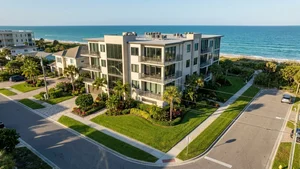
Indialantic runs heavily toward oceanfront condominiums and mid-century single-family homes. The island is fully built out, so you're largely looking at renovated older properties or custom rebuilds - not new-construction tracts.
How Fast Homes Sell
Melbourne homes average about 55 days on market and typically draw around two offers. It's a steady pace without the urgency you feel in tighter markets.
Indialantic averages closer to 65 days. Higher price points and the specialized nature of coastal real estate mean sellers sometimes wait longer for the right buyer to show up - which works both ways depending on which side of the transaction you're on.
Local Amenities and Daily Recreation
Your day-to-day experience on one side of the lagoon versus the other is pretty different. Melbourne functions as a commercial hub for southern Brevard County - major retail, medical facilities, the infrastructure you'd expect from a city. Indialantic runs quieter, with local boutiques and restaurants doing the heavy lifting instead of big-box stores.
Beaches and Parks
If beach access is the whole point, Indialantic delivers it directly - public beach crossovers, shoreline parks, and the lagoon's western edge for fishing and kayaking. Melbourne has maintained green spaces along the lagoon, but the ocean is a causeway drive away.
Downtown Districts and Boardwalks
Historic Downtown Melbourne has the walkable streets, the restaurants, the shops, the event calendar. It's the social center for the mainland and draws people from across the southern part of the county.
Indialantic's equivalent is the Indialantic Boardwalk area - dining and shopping with ocean views right there. Smaller, more self-contained, but for some buyers that's exactly the draw.
Property Taxes, Insurance, and HOA Costs
The purchase price is just where the math starts. Both cities fall under Brevard County's tax jurisdiction, but your actual carrying costs will depend on the specific property, its location, and its structure.
Barrier island properties cost more to own on an ongoing basis than mainland homes. Get insurance quotes during your inspection period before you're too far down the road.
Millage Rates and Exemptions
Both Melbourne and Indialantic use Brevard County's typical millage rate, sitting around 15.6 mills. Your actual tax bill comes down to assessed value and whether you qualify for the Florida homestead exemption. Since Indialantic homes carry higher assessed values, the annual bills tend to be higher - verify the tax history on any specific property you're seriously considering.
Windstorm and Flood Coverage
Insurance deserves real attention here. Indialantic's barrier island position puts properties in the path of wind and storm surge in a way that drives up premiums. Lenders routinely require flood insurance on these homes, and windstorm coverage costs more than it does on the mainland.
Melbourne properties further inland may not require flood insurance at all, depending on their FEMA flood zone designation and elevation. Windstorm coverage is still part of the picture, but the mainland location tends to produce lower annual premiums.
Homeowners Association Fees
HOA fees in Melbourne run the full range - minimal annual dues in older neighborhoods, more substantial monthly fees in newer subdivisions. Read what you're actually getting: lawn maintenance, community pools, and similar amenities vary considerably.
In Indialantic, HOA fees show up most prominently in beachfront condominium buildings. Those monthly dues cover exterior maintenance, master insurance policies, and shared amenities. They're higher than you'd typically see on the mainland, partly because the coastal environment is genuinely corrosive and maintenance costs reflect that.
Frequently Asked Questions
How much more expensive is it to buy a home in Indialantic compared to mainland Melbourne?
Substantially more. Indialantic's median sale price runs $649,500 to $665,000; Melbourne's sits around $315,000. You're also paying more per square foot on the barrier island - roughly $335 compared to Melbourne's $208.
Will my flood and hurricane property insurance rates be higher in Indialantic than in Melbourne, FL?
Yes. The barrier island location raises the risk profile for storm surge and wind damage, which typically means lenders require flood insurance and windstorm premiums run higher than what you'd pay for a comparable home sitting further inland.
What are the biggest lifestyle differences between living beachside in Indialantic versus mainland Melbourne?
Indialantic puts you right on the Atlantic, with the oceanfront boardwalk and a smaller, locally focused commercial scene. Melbourne gives you historic downtown dining, major retail, and immediate highway access - but getting to the beach means crossing the causeway.
How bad is the daily commute traffic crossing the causeways between Indialantic and Melbourne?
The drive is about three miles and takes roughly six minutes under normal conditions. That number climbs during peak commute hours or when severe weather affects the bridges, so it's worth experiencing the crossing at rush hour before you decide.