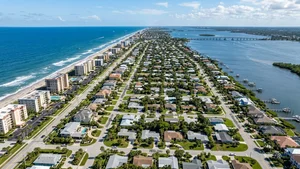
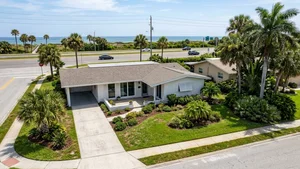
Brevard County gives you more than one way to live on the Space Coast, and Melbourne and Cocoa Beach are the two markets buyers keep putting side by side. Both sit near the Atlantic coast and the Indian River Lagoon, both offer real water access, and both have real differences in what you'll pay and how you'll live day to day. For those living in Melbourne, the city serves as the larger mainland and barrier island hub. Cocoa Beach is a coastal community sitting directly on the barrier island - full stop.
If you're trying to decide between them, you need to look at the actual numbers: current sale prices, property taxes, insurance exposure, and what the drive to Orlando looks like on a Tuesday morning versus a Friday afternoon. Budget shapes the decision as much as lifestyle does.
Housing Market Prices and Property Types
The price gap between these two cities is real and it shows up consistently in the data. In Melbourne, the median sale price is approximately $315,000 as of mid-2026. Homes there are spending roughly 55 days on the market and selling for about 95.6% of list price, with around 412 active listings in the pool. There's negotiating room - not a lot, but some.
Cocoa Beach runs higher. The median sale price sits around $457,000, with some estimates placing typical home values closer to $490,000. That premium reflects what you're buying: limited land on a barrier island with a concentration of waterfront properties along the Atlantic Ocean. Geography is the inventory constraint.
Median Home Prices and Market Pace
Melbourne is the more accessible entry point into Brevard County ownership. The $315,000 median gets you more square footage than the Cocoa Beach average will, and the 3.6 months of supply means you'll have a moderate selection to tour without feeling rushed.
Cocoa Beach prices have softened slightly - there was a 7.5% year-over-year dip in median prices recently - but the floor is still above $450,000. Inventory is tighter, and per-square-foot costs are higher. You're paying for the proximity to the sand, and the market prices that in whether you want it to or not.
Condos, Townhomes, and Single-Family Options
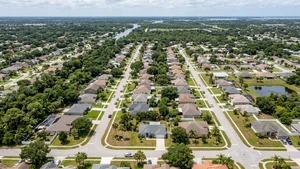
Melbourne's property mix is broader by nature. You'll find single-family homes on larger lots, townhomes, and mainland condominiums. Newer construction pushes further inland; established neighborhoods cluster closer to the Indian River Lagoon. The geography gives buyers more variety.
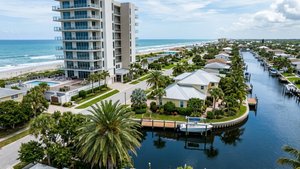
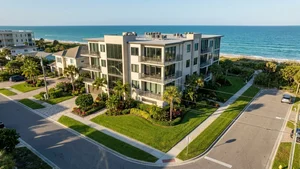
Cocoa Beach skews heavily toward condominiums - high-rise and mid-rise buildings along the oceanfront with shared amenities and direct beach access. Single-family homes do exist there, but they typically sit on canal-front lots, which means private docks and immediate boating access come with the territory. It's a different kind of ownership than what you'd find on Melbourne's mainland.
Cost of Ownership and Ongoing Expenses
Both cities fall under the Brevard County tax structure, so the base formula is the same. What changes the equation is where the property sits - its elevation, its age, its distance from the water - and what that means for insurance and HOA costs.
Coastal real estate carries carrying costs that catch buyers off guard if they haven't modeled them before making an offer. Properties east of the Indian River Lagoon or directly on the Atlantic face a different exposure profile than mainland homes, and your monthly payment reflects that.
Property Taxes in Brevard County
The average property tax rate in Brevard County runs roughly 0.85% to 1.15% of a property's assessed market value - a bit below the broader Florida state average of 1.34%. Both Melbourne and Cocoa Beach residents pay county taxes, with local millage rates adjusting the final bill by municipality. A standard Brevard County millage rate is approximately 15.6 mills after exemptions.
Because Cocoa Beach homes appraise at higher values, buyers there typically carry higher total annual tax bills even though the county framework is identical. Same rate, higher assessed value, higher bill.
Homeowners Insurance and HOA Dues
Insurance depends on the specific property - elevation, age, and water proximity all factor in. Homes in Cocoa Beach and the barrier island sections of Melbourne frequently require windstorm and flood policies on top of standard coverage. If you're buying directly along the Atlantic Ocean or the Indian River Lagoon, get current insurance quotes during your inspection period before you're too far down the road to adjust.
Condo buyers in both cities pay monthly HOA fees covering exterior maintenance and shared amenities. Oceanfront condos in Cocoa Beach tend to carry higher monthly dues - maintaining buildings that face salt air and coastal weather year-round costs more. Before you close on any condo, pull the association budget and check the reserves. Underfunded reserves are a problem that lands on owners.
Location, Commutes, and Airport Access
Melbourne has a larger mainland footprint and sits right on Interstate 95, which makes north-south travel straightforward. Cocoa Beach is on a barrier island - you're crossing a causeway every time you need to reach the mainland. That's worth knowing before you picture your morning commute.
Both cities connect you to the Space Coast's natural features, but they support different daily rhythms. If you commute regularly or travel for work, drive your actual route from specific neighborhoods at the time of day you'd actually be doing it. Don't rely on Google Maps on a quiet Sunday.
Driving to Orlando International Airport
Orlando International Airport (MCO) is the primary travel hub for both cities. From Cocoa Beach, the roughly 50-mile drive typically takes 55 to 70 minutes via the Beachline Expressway (SR-528). Add weekend cruise traffic or heavy congestion on SR-528 and you're looking at 75 minutes or more without much warning.
Melbourne sits further south at roughly 62 miles from MCO. That drive usually runs just over an hour, but traffic on I-95 and SR-528 can push it to two hours during peak congestion. Buyers who fly weekly tend to prefer the slightly shorter, more direct route from Cocoa Beach - and that preference makes sense when you're doing it every week.
Parks, Boating, and Beach Access
Cocoa Beach puts you on the Atlantic Ocean from almost anywhere in the city. Public beach crossovers, beachfront parks, and an established surfing culture are all part of the daily texture. Boaters can use the Banana River for sheltered navigation before heading to open water.
Melbourne offers a different mix - riverfront and beachfront environments that don't always overlap. The mainland parks run along the Indian River Lagoon with boat ramps, fishing piers, and waterfront dining. Buyers who want direct ocean access from Melbourne can look at Melbourne Beach or Indialantic, both just across the causeways from the mainland.
Deciding Between the Two Markets
Melbourne gives you a median home price near $315,000, larger mainland lots, and direct access to Interstate 95. It's the stronger fit for buyers who want to extend their budget while staying within a short drive of the water.
Cocoa Beach starts around $457,000 at the median and goes up from there. What that buys you is a barrier island setting, walkable beach access, waterfront condo amenities, and a slightly shorter drive to Orlando. Neither choice is wrong - they just suit different priorities. Tour available homes in both markets and see how the actual property types line up with how you plan to live.
Frequently Asked Questions
How do average home prices in Melbourne, FL compare to Cocoa Beach?
Melbourne offers the lower entry point, with a median sale price of approximately $315,000 as of mid-2026. Cocoa Beach runs higher, with median prices ranging from $457,000 up to $490,000. You'll generally get more square footage for your budget in Melbourne than you will on the barrier island.
Are hurricane insurance and flood zone costs higher in Cocoa Beach than in Melbourne, FL?
Insurance costs follow the specific property, not just the city name. Because Cocoa Beach sits entirely on a barrier island, a larger share of its homes require specialized flood and windstorm coverage. Melbourne properties east of the Indian River Lagoon face similar coastal insurance requirements - it's the mainland Melbourne homes that may carry lower premiums.
What amenities do Melbourne and Cocoa Beach offer for buyers relocating to the Space Coast?
Both cities connect you to the Space Coast's outdoor recreation. Cocoa Beach provides direct Atlantic Ocean access, beachfront parks, and riverfront boating facilities. Melbourne offers large mainland parks along the Indian River Lagoon, mainland shopping districts, and barrier island access via its causeways.
Can I get direct beach and boating access if I buy a house in Melbourne instead of Cocoa Beach?
Yes. Melbourne has boating access through properties and public ramps along the Indian River Lagoon. The primary city of Melbourne sits on the mainland, but Atlantic Ocean access is a causeway crossing away through the adjacent barrier island communities.