Melbourne and Palm Bay sit side by side in southern Brevard County, and together they make up the two largest housing markets in the area. If you're shopping along Florida's Space Coast and considering living in Melbourne, FL, you've probably already found yourself weighing one against the other - both cities connect quickly to Interstate 95 and U.S. Route 1, and on a map they look almost interchangeable.
They're not, though. The two cities differ in home styles, property tax rates, and how they're structured municipally. Getting clear on those differences early will help you stop scrolling through listings that don't fit and start focusing on the ones that do.
Comparing Home Prices and Property Types
Entry points for single-family homes are roughly comparable across both cities, and 2026 has brought more stability to inventory than buyers saw in prior years - fewer bidding wars, more room to breathe. That said, the actual housing stock on either side of the city line looks pretty different once you start touring.
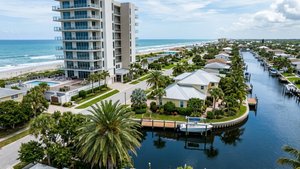
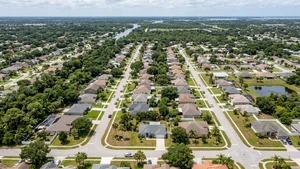
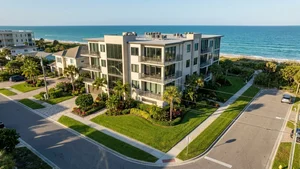
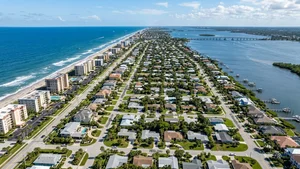
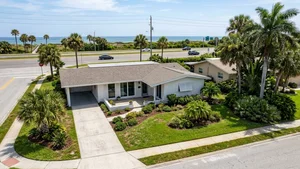
Melbourne leans toward established neighborhoods closer to the coast. Palm Bay leans toward newer builds on larger lots further inland. That distinction shapes everything from insurance costs to commute times, so it's worth understanding before you fall in love with a Zillow photo.
Current Home Values
As of mid-2026, Melbourne's median sale price is approximately $315,000. Homes are sitting on the market for roughly 55 days, there are about 412 active listings, and that supply represents 3.6 months of inventory. Sellers are closing at about 95.6% of their asking price - a balanced market where you have real negotiating room.
Palm Bay's median runs a touch higher, somewhere between $317,000 and $325,000. Data for the three months ending in June 2026 shows Palm Bay prices tracking closely to Melbourne's, with a slight year-over-year decrease.
Housing Styles and Availability
Melbourne's inventory is largely established single-family homes, townhouses, and some coastal condominiums. The city functions as a central economic hub for the county, and available land for large-scale new subdivisions is limited as a result.
Palm Bay is a different story if new construction is on your list. The city has extensive residential zoning inland, and builders are active there. Whether that's a draw or a drawback depends on what you want - older homes with mature lots and walkable neighborhoods, or a brand-new house where you're the first one through the door. A good agent will put both in front of you in one afternoon so you can decide for yourself.
Property Taxes, Insurance, and Monthly Costs
Melbourne's municipal millage rate is currently 7.3089 mills, which funds city infrastructure and services tied to its role as the county's primary economic and healthcare center. Despite that rate, Melbourne homeowners pay a median effective property tax rate of about 0.90% - below the Florida state median of 1.10%.
Palm Bay's city council recently voted to lower its proposed municipal millage rate to 6.6 mills for the upcoming fiscal year, down from 6.7. A lower municipal rate sounds like a win, but Palm Bay's median effective property tax rate still lands at roughly 1.06% - slightly above the national median, though still under the state average. The gap between the two cities' effective rates is real and worth factoring into your monthly payment math.
Calculating Your Tax Bill
The municipal millage rate is only part of the picture. County and local assessments factor in too, so a home priced at $315,000 in Melbourne will produce a different annual tax bill than a comparably priced home in Palm Bay. Don't assume they're the same just because the list prices are similar.
One thing that catches buyers off guard: tax assessments reset when a property sells. Whatever the current owner is paying tells you very little about what your bill will look like. Pull the property tax history on any listing you're serious about, and run the numbers on your purchase price.
Insurance and Utility Considerations
Florida homeowners insurance is its own conversation, and it varies significantly based on a home's age, roof condition, and how close it sits to the coast. Melbourne's older, coastal inventory may carry different wind mitigation and flood zone requirements than a new build sitting well inland in Palm Bay.
Get your insurance quote during the inspection period - not after. Homes with updated roofs and hurricane-rated windows typically qualify for premium discounts, and that's true in either city.
Commuting and Highway Access
The two main arteries here are Interstate 95 and U.S. Route 1. Route 1 runs along Florida's east coast and connects Palm Bay directly to Melbourne, with beach access along the way. Interstate 95 runs further inland and carries commuters heading to other parts of the Space Coast or up toward Orlando.
Where your home sits relative to those roads matters more than which city it's in. Before you make an offer, map the drive from that specific address to wherever you're headed every morning.
East-West Corridors
State Road 507 - Babcock Street locally - is the main arterial road linking Palm Bay's subdivisions into Melbourne's business districts. If you're buying in Palm Bay and working in Melbourne, you'll get to know it well.
State Road 514, or Malabar Road, handles the east-west connection for Palm Bay's western neighborhoods, running directly to Interstate 95. It's the preferred route for daily commuters living further out.
Making Your Final Decision
Both cities are sitting in the low $300,000s for median home prices, but they serve different buyers. Melbourne offers established neighborhoods and closer access to coastal amenities. Palm Bay offers more inventory, more new construction, and larger inland lots.
If you're still undecided, the most useful thing you can do is tour one of each in the same day. Walk through a Melbourne property, then drive down Babcock Street and look at a new Palm Bay build. The comparison lands differently in person than it does on a spreadsheet.
Frequently Asked Questions
Is it cheaper to buy a house in Palm Bay or Melbourne, FL?
Based on mid-2026 data, Melbourne is slightly cheaper. The median sale price in Melbourne is roughly $315,000, while Palm Bay's median ranges from $317,000 to $325,000. Your actual cost will depend on the specific neighborhood and whether you're buying an older home or new construction.
Are property taxes and HOA fees generally higher in Melbourne compared to Palm Bay?
Melbourne carries a higher municipal millage rate - 7.3089 mills versus Palm Bay's proposed 6.6 mills. That said, Palm Bay's overall median effective property tax rate is slightly higher at 1.06%, compared to Melbourne's 0.90%. HOA fees vary by subdivision rather than by city.
Which real estate market is seeing faster property value appreciation, Melbourne or Palm Bay?
Neither, as of mid-2026. Melbourne's median sale price is flat to slightly down year-over-year, and Palm Bay has also seen a slight decrease from the prior year. Both markets are stable right now, which is actually useful if you're a buyer.
How does the daily commute to major employers and the beaches differ if I live in Palm Bay instead of Melbourne?
Melbourne generally puts you closer to coastal areas and local business districts. If you're in Palm Bay, you'll typically be commuting north via U.S. Route 1 or Babcock Street into Melbourne, and how much time that adds depends on how far west or south your property sits.
Should I be concerned about well water and septic systems if I buy in Palm Bay instead of Melbourne?
It depends on the specific property. Review the disclosures for any home you're considering in either city - that's where you'll find out whether it connects to municipal water and sewer or runs on a private well and septic system.
Are there major differences in homeowners insurance rates and flood zone risks between Melbourne and Palm Bay?
Yes. Insurance rates depend on the home's location and age. Melbourne's established homes closer to the coast may carry different wind mitigation and flood zone requirements than newer, inland construction in Palm Bay.