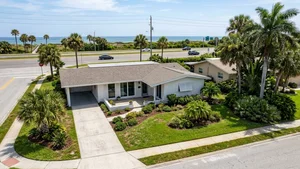
Relocating to the Space Coast requires a clear understanding of your financial expectations before you start touring properties. The cost of living in Melbourne FL offers a distinct balance between coastal access and everyday affordability compared to larger Florida metros. Buyers moving here in 2026 are often surprised by how housing and daily expenses stack up against national averages.
Evaluating this market means looking beyond the sticker price of a home. You have to factor in specific regional expenses like insurance, property taxes, and seasonal utility shifts. Having an accurate picture of these costs ensures your budget aligns with your long-term lifestyle goals on the Atlantic coast.
How Does the Melbourne FL Cost of Living Compare in 2026?
Melbourne generally presents a more accessible entry point to Florida coastal living than markets like Miami or Orlando. The overall cost of living index here tracks closely with the national average, though individual categories vary. Housing tends to be the largest variable, while other daily expenses remain highly predictable.
One of the most significant financial advantages of moving to the state is the absence of a state income tax. This policy keeps more of your gross salary in your pocket, which effectively stretches your household budget further. When you compare Melbourne to out-of-state coastal cities, this tax structure often offsets the rising costs of localized expenses like insurance.
Ultimately, the financial appeal of Melbourne lies in its moderate baseline costs combined with high-value local amenities. You get the economic benefits of a mid-sized market without sacrificing access to major employment hubs or the beach.
Housing Market Costs: Median Prices and Average Rents
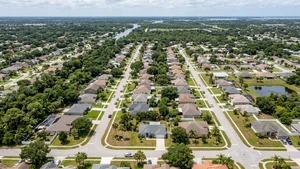
Real estate prices heavily dictate your overall budget when relocating to Brevard County. In 2026, the median home price for a single-family home in Melbourne ranges from $365,000 to $425,000. This pricing reflects a stable inventory of established single-family properties, newer townhomes, and coastal condos.
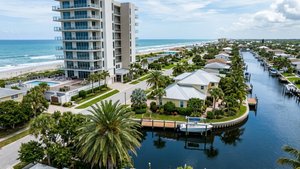
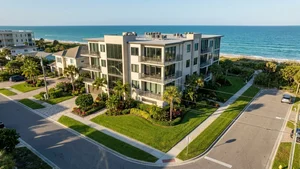
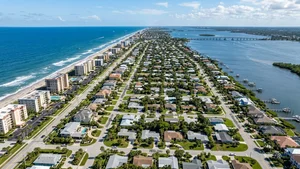
Proximity to the water plays a massive role in where a property falls within that price range. Homes positioned closer to the Atlantic Ocean or the Indian River Lagoon command a significant premium over properties located further inland near Palm Bay. Buyers should expect waterfront or water-adjacent real estate to push well past the median threshold.
The rental market offers a variety of options for those not quite ready to purchase. Average monthly rental rates for apartments currently sit between $1,600 and $1,980, depending heavily on the bedroom count and building amenities. Securing a lease in this range provides a solid foothold in the local market while you explore permanent neighborhoods.
Brevard County Property Taxes and Insurance
Understanding local tax obligations is a critical step in finalizing your monthly housing budget. The effective property tax rate in Brevard County averages between 0.85% and 0.99% of a home's assessed value. This rate is relatively moderate, but the actual dollar amount depends entirely on the county property appraiser's valuation of your specific lot and structure.
Florida residents benefit significantly from the state Homestead Exemption on their primary residences. This exemption can reduce the taxable value of your property by up to $50,000, which translates to tangible annual savings. Filing for this exemption is one of the first administrative tasks a new buyer should complete after closing.
Homeowners insurance is the most complex variable in the local housing equation. Coastal proximity means buyers must secure specific policies that often include separate windstorm and flood coverage. Budgeting conservatively for insurance premiums is essential, as these rates fluctuate based on the age of the roof and the home's exact elevation.
Average Utility Costs in Melbourne FL
Keeping a home comfortable in a subtropical climate requires a realistic utility budget. Typical electricity costs average around $170 per month, but this number is highly seasonal. During the peak summer months, high demand for air conditioning will cause these bills to spike significantly.
Beyond electricity, residents must account for standard municipal services to maintain their properties. Combined water, sewer, and trash services generally average between $80 and $100 per month. High-speed internet plans through local providers typically add another $70 to $90 to your monthly expenses.
The age and construction quality of your home will directly influence these monthly averages. Newer housing developments built with strict energy-efficiency standards often yield lower cooling costs than older builds. In total, a typical utility budget in Melbourne ranges from $250 to $350 per month.
Grocery, Food, and Healthcare Expenses
Everyday necessities in Melbourne align very closely with national averages, keeping daily budgets predictable. Grocery costs at standard supermarket chains reflect typical pricing found across the country. Dining out at local restaurants offers a wide range of price points, from casual waterfront cafes to higher-end dining in the historic downtown district.
Healthcare access is a major component of the local infrastructure, with costs that mirror the broader region. Routine medical expenses, including primary care and dental visits, fall squarely within standard national brackets. Residents have immediate access to comprehensive care without needing to travel to Orlando.
The presence of major medical facilities anchors the local healthcare network. Holmes Regional Medical Center serves as a primary hub for advanced medical services and emergency care. Having this level of medical infrastructure nearby provides practical convenience for routine and specialized treatments.
Transportation Costs and Space Coast Area Transit
Navigating the Space Coast requires factoring transportation into your monthly financial planning. While many residents rely on personal vehicles, Space Coast Area Transit provides fixed-route bus services across the region. The 2026 transit fares are highly accessible, costing $1.50 for a full-fare single ride and $42.00 for a 30-day pass.
For those driving personal vehicles, local gas prices hover around $3.45 per gallon in 2026. Auto insurance rates in Florida can be higher than the national average due to weather risks and local traffic density. Factoring in fuel, insurance, and routine maintenance is essential for an accurate cost of living estimate.
The geographic layout of the area means commuting is a daily reality for most of the local workforce. Understanding the primary traffic arteries helps buyers choose neighborhoods that minimize their daily driving expenses.
Commuting via I-95 and US-1
The local economy is driven by major aerospace and technology employers like L3Harris, Northrop Grumman, and Embraer. Employees working at these campuses typically rely on Interstate 95 and US Highway 1 for their daily transit. Average commute times are generally reasonable, though volume increases significantly during standard shift changes.
The city's infrastructure handles rush hour traffic efficiently, but strategic neighborhood selection can drastically reduce your time on the road. Living close to the US-1 corridor offers a more direct route to coastal employment centers. Conversely, choosing a home near an I-95 interchange provides rapid access to the broader Brevard County region.
Proximity to Key Space Coast Amenities
The location of a property relative to local amenities heavily influences its underlying value and your lifestyle costs. Access to the Atlantic beaches and the Indian River Lagoon drives significant economic activity and real estate demand. Properties situated within a short drive of these water access points retain their value exceptionally well.
Inland recreation also shapes the local housing landscape and community infrastructure. Wickham Park serves as a major central amenity, offering extensive trails, camping, and outdoor event spaces. Neighborhoods bordering these large municipal parks often see a slight premium in property values due to the immediate recreational access.
Ultimately, buyers must weigh the cost of housing against the convenience of their preferred activities. Paying a higher mortgage for a home near the beach might offset the fuel and parking costs of driving there every weekend. Balancing your budget against these geographic perks is the key to a successful relocation.
Frequently Asked Questions About the Cost of Living in Melbourne FL
What salary do you need to live comfortably in Melbourne, FL?
A comfortable lifestyle in this market generally requires a household income between $75,000 and $95,000 annually. This range allows residents to comfortably manage the median home price while absorbing local insurance and utility costs. Earning within this bracket ensures enough flexibility for dining, recreation, and unexpected expenses.
Is Melbourne, FL an expensive area to live?
The area is moderately priced and generally more affordable than major coastal hubs like Miami or Naples. While housing and insurance costs have adjusted upward in recent years, the lack of a state income tax helps balance the overall financial picture. It remains a highly competitive option for those seeking Atlantic coast living on a realistic budget.
What is the average rent in Melbourne, FL?
In 2026, the average monthly rent for an apartment ranges from $1,600 to $1,980. This rate fluctuates based on the specific location, building age, and the number of bedrooms. Waterfront complexes or newly built developments will typically push toward the higher end of that pricing spectrum.