Relocating to or investing in Brevard County requires understanding the local lifestyle and daily amenities. Melbourne sits at the heart of Florida's Space Coast, blending waterfront recreation with a robust commercial infrastructure. Buyers evaluating property in this region often want to know exactly what everyday life looks like beyond the property lines.
Finding things to do in Melbourne FL is straightforward once you understand how the city is laid out. The area stretches from the mainland across the Indian River Lagoon out to the barrier islands, offering distinct pockets of entertainment, shopping, and natural preserves. Whether you are looking for coastal access or historic walkable districts, this guide outlines the major attractions and amenities shaping the local real estate market today.
Exploring Melbourne's Top Local Attractions
The cultural and recreational hubs of Melbourne define the character of its surrounding neighborhoods. Positioned centrally on the Space Coast, the city features a high concentration of wildlife preserves, historic sites, and arts districts. These established zones give residents immediate access to entertainment without needing to commute to larger metro areas.
Proximity to these core attractions heavily influences local property demand. Neighborhoods within walking or biking distance of major cultural centers often see lower inventory turnover. Understanding where these hubs are located helps buyers pinpoint which part of the city aligns with their daily preferences.
The Eau Gallie Arts District (EGAD)
Situated along the western bank of the Indian River Lagoon, the Eau Gallie Arts District serves as the city's primary creative corridor. The area is famous for its Outdoor Art Museum, which features over 30 large-scale murals and sculptures integrated directly into the streetscape. This walkable district blends historic architecture with modern creative spaces.
EGAD is anchored by institutions like the Foosaner Art Museum and the Historic Rossetter House. Real estate surrounding this district consists largely of historic homes and updated mid-century properties. Residents here enjoy immediate access to local galleries, independent cafes, and waterfront parks.
Historic Downtown Melbourne
Further south along the US-1 corridor, Historic Downtown Melbourne functions as a major commercial and dining destination. The pedestrian-friendly layout features brick-lined sidewalks and restored storefronts housing local retail businesses. This district is highly active year-round, drawing both residents and visitors to its diverse culinary scene.
Community events are a staple of the downtown experience. The Farmer’s Market at Riverview Park provides regular access to local produce, artisanal goods, and live music right on the water. Properties near the downtown area command a premium due to this high level of walkability and convenience.
Brevard Zoo and Conservation Centers
The Brevard Zoo is a major regional anchor, occupying a 72-acre footprint just off I-95. It houses over 900 animals and is uniquely designed to allow visitors to kayak directly alongside animal habitats. The facility also features extensive zipline courses that navigate through the canopy above the exhibits.
The zoo continually expands its offerings, adding significant value to the surrounding Viera and North Melbourne communities. Following the 2025 groundbreaking of the future Bowen Aquarium, the facility is cementing its status as a premier conservation center. Living near this complex provides easy access to some of the most dynamic educational recreation in FL.
Beaches, Parks, and Outdoor Recreation
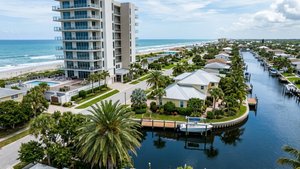
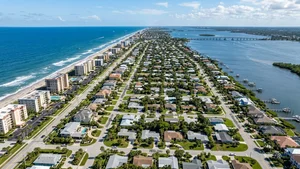
Natural amenities dictate much of the real estate value across Brevard County. Melbourne benefits from direct access to both the Atlantic Ocean and the extensive Indian River Lagoon system. This dual-waterfront geography means residents have multiple options for boating, fishing, and beach access within a short drive.
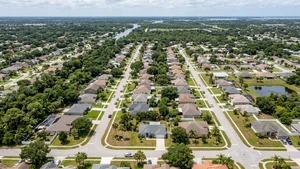
Inland green spaces are equally important to the local infrastructure. The city maintains a vast network of municipal parks that support year-round outdoor recreation. Buyers prioritizing outdoor space often weigh the benefits of barrier island beach access against the expansive trail systems found on the mainland.
Accessing Melbourne Beach and Paradise Beach
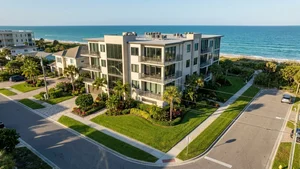
Reaching the coastal beaches from mainland Melbourne requires a quick trip across the Melbourne Causeway via US-192. This route connects directly to Indialantic and the residential stretches of Melbourne Beach. Properties along this barrier island corridor offer immediate ocean access and premium waterfront views.
Public amenities at Paradise Beach, located within Howard E. Futch Memorial Park, provide excellent facilities for residents. The park includes large pavilions, shower stations, and seasonal lifeguards. The consistent surf makes this stretch of the coast a popular spot for surfing, snorkeling, and surf fishing.
Wickham Park and Inland Green Spaces
For those residing on the mainland, Wickham Park serves as the primary hub for inland recreation. Spanning roughly 391 acres, this massive public space features pine forests, lakes, and extensive paved trails. It is a major asset for properties located in the northern and central parts of the city.
The park infrastructure supports a wide variety of activities beyond simple walking paths. Facilities include an archery range, equestrian trails, campgrounds, and an 18-hole disc golf course. Having a resource of this size nearby adds substantial practical value to mainland residential neighborhoods.
Everyday Amenities: Shopping, Dining, and Golf
A strong commercial infrastructure is essential for supporting residential growth. Melbourne offers a comprehensive mix of national retail chains and independent local businesses scattered across several main corridors. This balance ensures residents do not have to travel far for either daily necessities or specialty goods.
Recreational facilities like golf courses and marinas are integrated directly into the city layout. These amenities cater to the year-round temperate climate and the active lifestyle prevalent in the region. Evaluating a neighborhood often comes down to its proximity to these specific lifestyle features.
Retail Centers and Dining Districts
The US-1 corridor serves as the primary artery for shopping and daily commerce. This stretch features multiple retail centers, grocery stores, and essential services that support the surrounding subdivisions. Waterfront dining is highly prevalent along the Indian River Lagoon, offering residents scenic views paired with local seafood.
Beyond traditional retail, the area includes several local entertainment centers. Andretti Thrill Park offers miniature golf, go-karts, and arcade facilities right in the middle of the city. These commercial hubs provide convenient weekend entertainment options for residents.
Public Golf Courses and Local Marinas
Access to navigable water and manicured greens is a major draw for the local real estate market. The city maintains excellent infrastructure for both boaters and golfers. Buyers looking for specific recreational access will find several reliable options nearby.
Whether you prefer a municipal slip or a private dock, the area accommodates diverse needs. The following options highlight the local infrastructure:
Municipal Marinas: Several public and private marinas along the Indian River Lagoon offer boat slips, fueling stations, and deep-water launch access.
Public Golf Courses: Facilities like Mallards Landing Golf Course provide 18 holes of championship golf open to the public year-round.
Private Docks: Many waterfront properties along the lagoon and its canals feature deeded private docks with direct access to the Intracoastal Waterway.
Neighborhood Connectivity and Transportation
Navigating the Space Coast requires an understanding of the regional transit infrastructure. Melbourne is laid out linearly along the coast, heavily relying on north-south thoroughfares to connect its various districts. Efficient road networks make commuting to nearby employment hubs relatively straightforward.
The distribution of residential neighborhoods is closely tied to these major roadways. Buyers who commute frequently to aerospace centers or neighboring counties must factor travel times into their property search. The local transportation grid handles daily traffic well, though seasonal fluctuations do occur.
Major Highways: Commuting via US-1 and I-95
US-1 is the primary route for local coastal commuting, running parallel to the Indian River Lagoon. It connects the downtown sectors directly to nearby cities like Cocoa Beach to the north. Properties situated near US-1 benefit from immediate access to the waterfront and commercial districts.
For longer commutes, I-95 serves as the main high-speed corridor connecting Melbourne to the rest of Brevard County. The distance to Orlando is roughly 70 miles, translating to about a 75-minute drive via I-95 and FL-528. Neighborhoods expanding westward toward the interstate typically feature newer subdivisions and larger lot sizes.
Proximity to Orlando Melbourne International Airport
Orlando Melbourne International Airport (MLB) is located practically in the city center, offering remarkable convenience. This facility provides direct commercial flights and serves as a major hub for the local aerospace and aviation industries. The airport's presence heavily drives commercial real estate and employment in the immediate vicinity.
Having an international airport minutes from residential zones is a massive advantage for frequent travelers. It is particularly appealing for out-of-state property owners who maintain a second home in FL. The ease of access eliminates the need to drive over an hour to larger regional airports.
Frequently Asked Questions
What outdoor activities are available in Melbourne, FL?
The area offers extensive options including surfing at Paradise Beach, kayaking the Indian River Lagoon, and hiking the 391-acre Wickham Park. Boating and fishing are also highly accessible via local municipal marinas and public boat ramps.
How far is Melbourne from Orlando?
Melbourne is located approximately 70 miles southeast of Orlando. The commute typically takes about 75 minutes driving via I-95 and FL-528, making day trips highly manageable.
What is the best way to explore Downtown Melbourne?
The downtown district is best explored on foot due to its pedestrian-friendly brick sidewalks and concentrated layout. Parking near the US-1 corridor provides easy walking access to local boutiques, dining, and the waterfront.
Are there free things to do in Melbourne today?
Yes, visiting the public beaches along the barrier island and exploring the EGAD outdoor mural museum are completely free. You can also walk the paved trails at Wickham Park or browse the Farmer’s Market at Riverview Park without paying an admission fee.