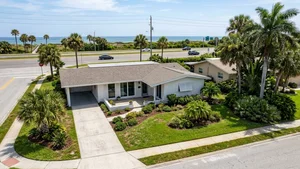
Relocating to the Space Coast offers a unique opportunity to experience coastal living alongside rapid technological growth. Brevard County has become a major destination for buyers seeking a strong local economy paired with direct access to the Atlantic Ocean. The area balances a relaxed waterfront lifestyle with the infrastructure of a major aerospace hub.
For those considering moving to Melbourne FL, understanding the local housing market and regional logistics is essential. This guide breaks down the financial realities of purchasing a home here in 2026, from property taxes to daily commute expectations. Buyers will find clear data on housing costs, job opportunities, and local amenities to help them make an informed decision.
An Overview of Living in Melbourne, FL
Melbourne serves as the economic and cultural heart of Florida's Space Coast. The city provides a strategic location within Brevard County, sitting just an hour southeast of Orlando.
The local landscape is defined by its continuous 2026 economic growth, driven heavily by the aerospace and defense sectors. Buyers are drawn to the region because it offers high-tech career opportunities without the congestion of a massive metropolitan area. The city maintains a distinct coastal identity, centered around the Indian River Lagoon and nearby barrier islands.
Real estate options in the area cater to a variety of budgets and architectural preferences. Buyers can find everything from historic downtown properties to modern subdivisions expanding westward. The market here remains active, supported by a steady influx of professionals relocating for specialized engineering and technology roles.
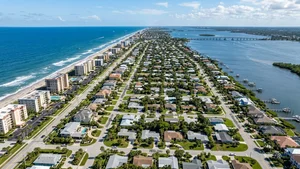
Understanding the layout of the city is the first step in planning a successful relocation. The mainland portion of the city houses the majority of commercial centers, major employers, and residential neighborhoods. Meanwhile, the barrier island sections provide direct beach access and a more resort-oriented atmosphere.
The Melbourne Real Estate Market
The local housing market remains competitive as steady job creation continues to drive demand. Buyers entering the market in 2026 will find a stabilizing inventory compared to the rapid fluctuations seen in previous years.
Navigating the local real estate landscape requires a clear understanding of current pricing and available inventory. The market has matured, offering a more predictable environment for buyers who are ready to make a purchase. Properties in prime locations, especially those near major employment centers or the water, continue to sell quickly.
One clear takeaway for buyers is that acting decisively on well-priced homes is crucial. While the intense bidding wars of the early 2020s have cooled, properly valued properties still attract multiple offers. Working with a knowledgeable local agent helps buyers identify emerging neighborhoods before they price out the average purchaser.
New construction is also playing a significant role in the current market dynamics. Developers are actively building planned communities on the western edge of the city to accommodate the growing population. These new developments often feature modern amenities and energy-efficient designs, appealing to buyers looking for turnkey solutions.
Average Home Prices and Property Types
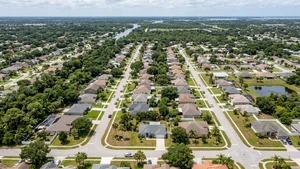
Early 2026 median home prices in the area range between $350,000 and $425,000, depending on the specific neighborhood and property condition. Inland single-family developments typically offer the most square footage for the price. These neighborhoods frequently feature modern construction with attached garages, community pools, and updated infrastructure.
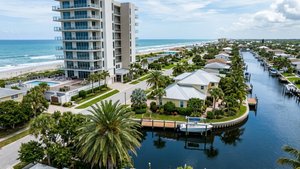
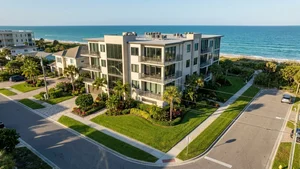
Buyers seeking waterfront living will find a variety of coastal condos and townhomes along the barrier islands. These properties often command a premium due to their location and direct ocean views. The market stabilization seen this year means buyers have slightly more negotiating power when evaluating these higher-end coastal properties.
Property Taxes and Insurance Considerations
Carrying costs are a vital component of any homebuying budget in Florida. The Brevard County median effective property tax rate averages between 0.70% and 0.99%, which is relatively moderate compared to other coastal states. Buyers should also factor in standard closing costs like the state transfer tax, as well as HOA fees which are common in newer planned developments.
Insurance is another critical factor for coastal property owners. Wind and flood insurance are often necessary, especially for homes located east of US-1 or directly on the barrier islands. Securing comprehensive coverage early in the buying process is highly recommended to avoid unexpected closing delays.
Cost of Living in Melbourne
Evaluating the daily expenses in Brevard County reveals a financially favorable environment for many new residents. The overall cost of living aligns well with the strong local salaries generated by the tech sector.
Everyday expenses, including groceries, healthcare, and utilities, generally track close to the national average. When compared favorably against major metro areas like Miami or Orlando, Melbourne offers a more accessible entry point for homeownership. Residents enjoy a high standard of living without the premium price tag associated with South Florida.
A major financial benefit of relocating here is that Florida has no state income tax. This policy allows residents to keep a larger portion of their earnings, which can be redirected toward housing or recreation.
For professionals moving from high-tax states, this difference translates into a massive boost in purchasing power.
Utility costs in the region are heavily influenced by the climate, with air conditioning running for most of the year. However, the lack of heating expenses during the mild winters helps balance the annual energy budget. Buyers should request utility history on prospective homes to accurately estimate their monthly carrying costs.
A Hub for Aerospace and Engineering Jobs
The Space Coast is recognized globally for its concentration of aerospace, defense, and high-tech manufacturing. This robust industrial base provides long-term economic stability for the region.
Major employers like L3Harris, Northrop Grumman, and Embraer anchor the local job market. These international companies continuously recruit specialized talent, driving consistent demand for local housing. The presence of these corporate giants has also spurred the growth of numerous supporting tech firms and defense contractors.
Recent expansions have further solidified the area as a premier destination for engineering professionals. The 2026 opening of Argotec's $25 million satellite production facility in Melbourne is a prime example of this ongoing growth. This state-of-the-art manufacturing hub is bringing new jobs to the area and attracting a highly skilled international workforce.
The influx of tech professionals directly impacts local real estate demand, particularly in neighborhoods offering short commutes to these corporate campuses. Buyers relocating for employment often prioritize turnkey properties that allow for a seamless transition. This steady stream of well-compensated buyers keeps the local housing market resilient, even during broader national economic shifts.
Brevard Public Schools and Higher Education
The educational infrastructure in Brevard County is a major draw for buyers prioritizing academic opportunities. The region offers a mix of strong public school networks and respected higher education institutions.
The Brevard Public Schools district maintains strong academic ratings across the county. Buyers frequently research school zoning when selecting a neighborhood, as proximity to highly rated facilities can influence property values. The district offers various magnet programs and specialized academies focused on science, technology, engineering, and mathematics.
Specific facilities, such as Suntree Elementary School, are frequently noted by buyers exploring the northern and central residential corridors. When evaluating properties, buyers should verify current zoning boundaries directly with the district, as lines can shift due to population growth. The availability of diverse educational options supports the long-term value of homes in these established neighborhoods.
Higher education institutions play a crucial role in driving the local engineering talent pool. The Florida Institute of Technology, commonly known as Florida Tech, is located right in the city and partners closely with local aerospace firms. Additionally, Eastern Florida State College provides accessible degree programs and technical training that support the regional workforce.
Commute Times and Local Transportation
Navigating the Space Coast relies primarily on a well-maintained network of highways and arterial roads. The layout of the city allows for relatively straightforward daily travel.
The primary highway arteries for daily commuting are I-95 and US-1. I-95 serves as the main north-south expressway, connecting residents to Orlando and other major Florida cities. US-1 runs parallel to the Indian River Lagoon, providing a scenic route that links the various waterfront communities and commercial districts.
Realistic expectations for drive times are an important part of the relocation process. Most residents experience a 20 to 30-minute commute to major employers like Northrop Grumman or the Kennedy Space Center. Trips to Orlando typically take about an hour, making it entirely feasible for weekend outings or accessing larger entertainment venues.
The local aviation infrastructure has seen significant upgrades to accommodate regional growth. The 2026 developments at Melbourne Orlando International Airport include extensive terminal renovations and new satellite FBO facilities. These improvements, along with a unique fly-in hotel concept, make domestic and international travel increasingly convenient for local residents.
Outdoor Recreation, Amenities, and Lifestyle
The Space Coast lifestyle is defined by its seamless integration of natural beauty and cultural amenities. Residents have year-round access to an impressive array of outdoor and indoor activities.
Living in this region means embracing a climate that supports continuous outdoor recreation. The local geography provides a diverse playground, from the protected inland waterways to the expansive Atlantic coastline. This environment encourages an active lifestyle centered around the water and local nature preserves.
Beyond the natural attractions, the city supports a vibrant local culture with numerous dining and entertainment options. The historic downtown district features a variety of restaurants, boutique shops, and local businesses. This area serves as a central gathering place for community events and weekend festivals.
Buyers moving from colder climates will quickly appreciate the ability to utilize local amenities during any season. The integration of parks, waterways, and cultural centers ensures there is always something to explore. This high quality of life is a significant factor in the area's sustained popularity.
Exploring the Indian River Lagoon and Beaches
Direct access to the Atlantic beaches and the intracoastal waterway is a primary reason buyers target this area. The Indian River Lagoon is an ecologically significant estuary that separates the mainland from the barrier islands. It provides exceptional opportunities for boating, kayaking, and observing local marine life like dolphins.
Just across the causeways, communities like Satellite Beach and Melbourne Beach offer pristine stretches of sand. These coastal areas are renowned for excellent surfing, surf fishing, and relaxed waterfront dining. The consistent ocean breezes and warm waters make these beaches a focal point for weekend recreation.
Parks, Museums, and Local Entertainment
Inland recreation is equally abundant, with major public spaces utilized for outdoor activities. Wickham Park is a massive community asset, offering miles of walking trails, camping facilities, and open green spaces. Additionally, the Brevard Zoo provides a unique, highly interactive wildlife experience that draws visitors from across the state.
The local arts scene provides a strong cultural foundation for the community. Institutions like the Foosaner Art Museum and the Henegar Center for the Arts host rotating exhibits and live performances throughout the year. These venues ensure that residents have access to high-quality entertainment without needing to drive to Orlando.
Frequently Asked Questions About Moving to Melbourne
Is Melbourne, Florida a good place to live?
The city offers a strong local economy, relatively moderate housing costs, and excellent access to coastal recreation. Residents benefit from the growing aerospace job market and a climate that supports year-round outdoor activities. It provides a balanced lifestyle that appeals to many buyers relocating to the Space Coast.
What is a good salary in Melbourne, Florida?
A comfortable salary in the area typically aligns with the specialized roles in the local tech and defense sectors. Many engineering and aerospace professionals earn upwards of $85,000 to $120,000 annually, which easily supports the local median home prices. Florida's lack of a state income tax also helps stretch these salaries further.
Does Melbourne, Florida get hit by hurricanes?
Like all coastal Florida cities, the area is susceptible to tropical cyclones and severe weather. However, the region's specific placement on the central east coast often results in fewer direct hits compared to South Florida. Buyers should always secure proper wind and flood insurance when purchasing property here.
What is the best way to get around Melbourne, FL?
Owning a personal vehicle is the most practical way to navigate the region. The area is spread out, and relying on I-95 and US-1 is essential for daily commuting and running errands. While there is public transit available, a car provides the necessary flexibility to fully enjoy the Space Coast.