When buyers look at properties along Florida's Space Coast, the natural environment is often just as important as the floor plans. Understanding the weather and climate in Melbourne FL is a crucial step for anyone planning a relocation or investment here in 2026. The local weather patterns dictate everything from your daily utility costs to the type of roof you need.
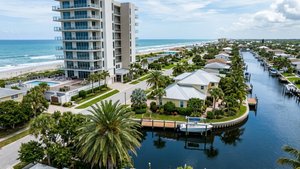
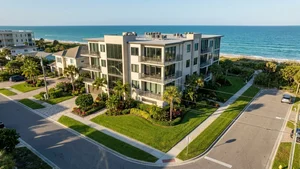
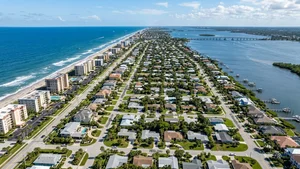
Melbourne sits directly on the Atlantic coast, offering a distinct coastal lifestyle shaped by its environment. Located in Brevard County, this stretch of shoreline provides a unique mix of aerospace industry growth and relaxed beachfront living. Knowing what to expect from the skies above will help you make a much more confident real estate decision.
Introduction to Melbourne's Subtropical Climate
East Central Florida features a classic subtropical climate, which means residents experience two primary seasons rather than four. This predictable cycle is a major draw for buyers moving from northern states who want to escape freezing temperatures. The lack of a harsh winter completely changes how residents approach home maintenance and landscaping.
Coastal breezes off the Atlantic Ocean help moderate the temperatures, keeping the immediate shoreline slightly cooler in the summer than inland areas. However, the high temperature during peak summer months still requires homes to have highly efficient air conditioning systems. Navigating these seasonal shifts is simply part of the local lifestyle, and it heavily influences how homes are designed.
Average Monthly Temperature and Humidity
Summer highs in July and August routinely reach between 90°F and 92°F across the Melbourne area. During these peak months, dew points often exceed 70°F, which pushes the humidity higher and makes the air feel much warmer. Buyers should pay close attention to a property's HVAC age and insulation quality when touring homes in this environment.
The winter months provide a sharp contrast, offering the mild conditions that drive the local real estate market. Winter lows from December through February average between 50°F and 55°F, with many days remaining mostly cloudy but comfortable. This extended period of pleasant weather allows residents to keep their windows open and significantly reduce their cooling costs.
Annual Rainfall and Precipitation Patterns
Melbourne averages approximately 52 inches of annual rainfall, but this precipitation is not distributed evenly throughout the year. The region experiences a distinct wet season running from late May through September, followed by a much drier period from October through April. During the wet months, afternoon thunderstorms generated by colliding sea breezes are a near-daily occurrence.
These fast-moving summer storms often bring heavy downpours, making proper lot grading and community drainage systems essential. When evaluating a property, buyers must look at how water moves away from the foundation after a heavy rain event. Homes with updated gutters and clear drainage pathways generally require far less exterior maintenance over time.
Navigating Hurricane Season on the Space Coast
The Atlantic hurricane season officially runs from June 1 through November 30 each year. Because Melbourne is a coastal city, severe weather and tropical cyclones are realities that property owners must prepare for. Understanding this timeline is vital for scheduling property closings, as insurance companies often pause new policy binding when a named storm approaches the state.
Coastal proximity naturally increases a property's vulnerability to severe wind and potential storm surge. However, the local real estate market has adapted significantly over the past two decades to handle these environmental challenges. Buyers entering the market today will find that homes are built and fortified with these specific weather risks in mind.
Hurricane Risk and Florida Building Codes
Modern construction standards in FL are among the strictest in the nation regarding wind resistance. Following major code updates implemented since 2002, newly constructed homes in Melbourne are engineered to withstand winds of 130 miles per hour or more. These stringent requirements mean that a house built recently offers vastly superior structural resilience compared to a home built in the 1980s.
Key wind mitigation features include reinforced roof-to-wall connections, secondary water barriers, and impact-resistant windows or storm shutters. When purchasing an older property, buyers often need to budget for retrofitting these specific upgrades. Investing in these structural improvements not only protects the home but also directly lowers ongoing ownership costs.
Weather Impacts on Property Insurance
Securing favorable property insurance rates in Melbourne requires a clear understanding of the home's protective features. Buyers should always order a specialized wind mitigation inspection, as documenting reinforced roofs and impact windows unlocks substantial premium discounts. Without these documented features, carrying standard coverage can become a significant monthly expense.
Beyond standard wind coverage, buyers must also consider whether a property sits in a FEMA-designated flood zone. If a home requires flood insurance, this will be a completely separate policy from the primary homeowners insurance. Windstorm coverage also carries a separate, percentage-based deductible that typically ranges from 2% to 5% of the total dwelling coverage.
Enjoying Melbourne's Year-Round Climate
The subtropical climate is ultimately what allows residents to maximize their use of outdoor amenities throughout the entire year. With the Indian River Lagoon and the Atlantic beaches just minutes away, water-based recreation rarely stops for the winter. Residents can comfortably transition from summer boating to winter kayaking without needing specialized cold-weather gear.
This consistent weather also supports a vibrant local network of municipal parks, golf courses, and open-air dining venues. The reliable sunshine during the winter months attracts a steady stream of seasonal visitors, which in turn supports the local economy and restaurant scene. Buying a home here means purchasing access to a lifestyle where the outdoors serves as an extension of your living space.
How Weather Affects the Melbourne Real Estate Market
Climate patterns directly drive the seasonal fluctuations seen in the local housing market. As temperatures drop in northern states, Melbourne experiences a predictable influx of winter residents and out-of-state buyers looking for warmer conditions. This seasonal migration typically causes a spike in property showings and open house attendance from January through April.
Because peak real estate activity aligns with these mildest weather months, sellers often time their listings to capture this heightened demand. A home priced around $450,000 might see multiple offers in February, whereas the same property could sit slightly longer in August. Understanding this seasonal rhythm helps buyers negotiate more effectively and time their purchase for the best possible value.
Frequently Asked Questions
Does it snow in Melbourne, FL?
Snow is virtually nonexistent in Melbourne due to its warm coastal climate and southern latitude. The lowest recorded winter temperatures typically hover around the mid-30s during rare cold fronts, which is not cold enough to support snowfall. Buyers relocating from northern states can comfortably leave their snow shovels and heavy winter gear behind.
Is Melbourne, Florida prone to hurricanes?
Yes, Melbourne is located on the Atlantic coast and is exposed to the Atlantic hurricane season from June through November. While direct landfalls are less frequent than glancing blows, the area regularly experiences high winds and heavy rain from passing tropical systems. Homes built to modern FL building codes are specifically engineered to withstand these severe weather events.
What is the rainiest month in Melbourne, Florida?
August and September historically tie as the rainiest months in the Melbourne area. During this peak wet season, the region frequently sees heavy afternoon thunderstorms that can drop several inches of rain in a short period. The city averages about 52 inches of annual precipitation, with the vast majority falling during these late summer months.