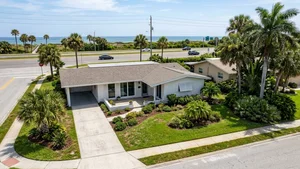
The Space Coast has quietly become a serious aerospace and defense hub, and Brevard County has the job market to prove it. If you're weighing whether living in Melbourne, FL makes sense as a relocation target, the numbers are worth a close look.
As of mid-2026, the median home sale price sits around $315,000 - a figure that looks very different from what you'd find in Miami or Tampa. Whether you're eyeing a riverside apartment or a starter home you can actually afford, you'll find a mix of historic downtowns, barrier island access, and the kind of commercial development that tends to follow a growing workforce.
Why Melbourne Attracts New Residents
The economy here is anchored by aerospace, engineering, and tech - and not in a vague, aspirational way. L3Harris Technologies is headquartered in Melbourne and holds the title of largest defense employer in the area.
That said, L3Harris isn't carrying the whole thing on its own. The broader employer base runs deep enough to support long-term career growth without forcing you onto I-4 toward Orlando every morning.
Major Employers on the Space Coast
The job market runs on aerospace and defense contracting. Alongside L3Harris, you'll find major campuses operated by Northrop Grumman, Leonardo DRS, Collins Aerospace, Leidos, General Dynamics IT, and Parsons.
Aviation adds another layer. Embraer runs its North American executive jet manufacturing plant and a Technology Center right here in Melbourne, which means the specialized roles available locally go well beyond what most cities this size can offer.
Cost of Living and Rent Expectations
Renting in Melbourne generally costs less than in South Florida or the Tampa Bay area. For 2026, most sources put the average one-bedroom in the $1,300 to $1,500 per month range.
The specific number depends on the building's age and amenities. Zumper reports a one-bedroom average of $1,398 to $1,456, while RentCafe shows averages closer to $1,438. If you zoom out to all bedroom counts and property types, Zillow reports an average rent of around $2,100 per month.
The Local Lifestyle and Social Scene
Melbourne is largely car-dependent - that's just the reality. But the historic centers give you concentrated pockets of dining and entertainment where you can actually leave the car parked for a few hours. Historic Downtown Melbourne, centered around New Haven Avenue, is the main nightlife district.
That walkable core includes the Henegar Center for the arts, plus restaurants and bars worth a regular visit. Residents also spend time in the Eau Gallie Arts District - EGAD - which runs regular art walks, galleries, and cultural events throughout the year.
Top Neighborhoods for Renters and Buyers
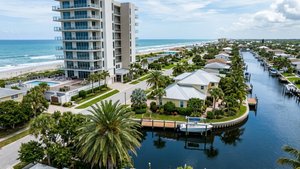
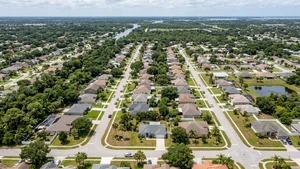
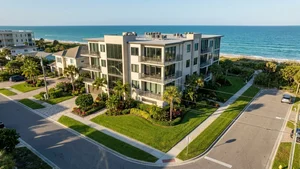
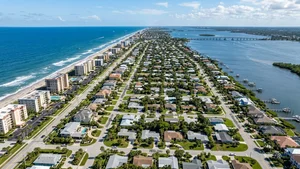
Brevard County covers a lot of ground, from mainland subdivisions to beachside condos, and where you land will depend on your budget and how much the water matters to you on a daily basis.
The neighborhoods that come up most often for newcomers are Suntree, Viera, Indialantic, Melbourne Beach, and Satellite Beach. Each one offers a different commute and a different pace, and the beachside towns will cost you more for the privilege.
Walkable Districts: Downtown and Eau Gallie
If you want to park the car on a Saturday and actually walk somewhere, Historic Downtown Melbourne and the Eau Gallie Arts District are your best options. Both are compact, mixed-use areas with riverfront paths, local shops, and places to eat.
EGAD has seen real revitalization in recent years - the studios and cultural programming have drawn people who want more of a neighborhood feel rather than a subdivision.
Most Affordable Areas for Renters
If budget is the priority, you have solid mainland options. Rent.com lists Magnolia Park as one of the more affordable neighborhoods, with one-bedroom units averaging around $1,275 per month.
Mallards Landing and the Pineapple District also come up as budget-friendly picks. Zumper highlights Magnolia Heights, Indian River Bluff, and Bowe Gardens as areas where you can find apartments in the $1,482 to $1,507 range.
Up-and-Coming and Rapidly Growing Spots
West Melbourne gets cited consistently as one of the faster-growing areas in the region. New residential and commercial development keeps coming, which means modern apartment complexes and newer construction homes are easier to find here than almost anywhere else nearby.
Highway access is straightforward, and shopping is close. If newer builds matter more to you than older character architecture, West Melbourne is worth putting on your list.
Renting versus Buying in the Current Market
Recent MLS data puts the median home sale price in Melbourne at approximately $315,000, with homes spending a median of 55 days on the market. That's enough time to actually tour properties and think before you sign anything.
Whether renting or buying makes more sense comes down to how long you're planning to stay on the Space Coast. Entry points here are more accessible than the national average, but that calculation only works if you're not leaving in two years.
Apartment Options and Amenities
The rental market runs from older garden apartments - cheaper, no frills - to brand-new complexes with the full amenity package. Apartment List reports an overall median rent of $1,376 across the city.
Factor in your commute when you're picking a building. Mainland apartments tend to cost less, but living closer to the barrier islands or the major tech campuses means less time in the car each day, which has its own value.
Purchasing a Starter Home
With roughly 412 homes currently in inventory and a 3.6-month supply, this market is reasonably balanced - neither a seller's free-for-all nor a buyer's bonanza. The average sale-to-list price ratio sits at 95.6%, which tells you there's room to negotiate.
Only about 6% of homes are selling above list price. If you're shopping in the $300,000 range, you're unlikely to find yourself in a bidding war.
Getting Connected and Settling In
The Space Coast has faith-based, cultural, and civic professional groups across a range of interests. A lot of residents find their footing through industry events, EGAD art walks, or recreational sports leagues near the beaches.
The tech and defense campuses give you a built-in professional network from day one, which is genuinely useful. But the broader community has plenty of entry points beyond your employer.
Community Groups and Civic Involvement
Local chambers of commerce and civic organizations host networking events regularly, and they're not just for people in one industry - you'll find aerospace and healthcare and real estate professionals in the same room.
Cultural and faith-based groups are active throughout Brevard County too. Volunteer work, urban league chapters, community boards - there are multiple ways to get involved if you're looking to put down roots rather than just collect a paycheck.
Frequently Asked Questions
What are the best neighborhoods in Melbourne, FL for young professionals to buy their first home?
West Melbourne is a strong option for first-time buyers because of its ongoing residential development and modern housing stock. If you'd rather have historic architecture and walkability, the Eau Gallie Arts District offers revitalized streets with galleries and studios nearby. Buyers drawn to established, master-planned communities tend to look at Suntree or Viera.
Is it more affordable for a young professional to rent an apartment or buy a starter home in Melbourne right now?
Renting is the more affordable short-term option, with one-bedroom apartments averaging between $1,300 and $1,500 per month. Buying is accessible relative to other Florida coastal cities - the median home sale price is around $315,000, and only about 6% of homes are selling above list price, so you're not walking into a bidding war.
Does Melbourne have a strong enough job market outside of aerospace to justify relocating and buying property?
Yes. Aerospace and defense are clearly the dominant industries, with L3Harris and Northrop Grumman leading the way, but the region also supports engineering, IT, and corporate roles tied to firms like General Dynamics IT and Leidos - so the options aren't as narrow as the headline employers might suggest.
Should a young professional live right in Melbourne, or is it better to buy in nearby Viera or Palm Bay?
It depends on what you're optimizing for. Downtown Melbourne or EGAD gives you walkable dining and nightlife along the river. Viera is newer, more suburban, and has extensive shopping. West Melbourne splits the difference with rapid new development and straightforward highway access.
What is the average daily commute like around Melbourne's major tech and engineering hubs?
Melbourne is car-dependent, so you'll be driving. Commutes are generally manageable if you're on the mainland near major employers like the L3Harris or Embraer campuses. Living beachside in Indialantic or Melbourne Beach will add time to your drive due to causeway traffic - worth knowing before you fall in love with an oceanfront rental.
Is there an active social scene and nightlife for single professionals in their 20s and 30s moving to Melbourne?
Yes. Historic Downtown Melbourne along New Haven Avenue is the main hub - bars, restaurants, and the Henegar Center for the arts all within walking distance of each other. The Eau Gallie Arts District is the other reliable option, with regular art walks and cultural events that draw a consistent crowd.